
Full Body Stretch
(9 BEST FULL BODY STRETCHES TO DO AT HOME)
The Ultimate FULL BODY Stretch Guide
To stretch your whole body, pick one or two stretches for each major area (legs and hips, chest and shoulders, back and core) and give each one about 60 seconds in total, for example two 30-second holds, on at least 2 days a week, as the American College of Sports Medicine recommends (Garber 2011). At that pace, the 9-stretch routine below takes about 12 to 15 minutes.
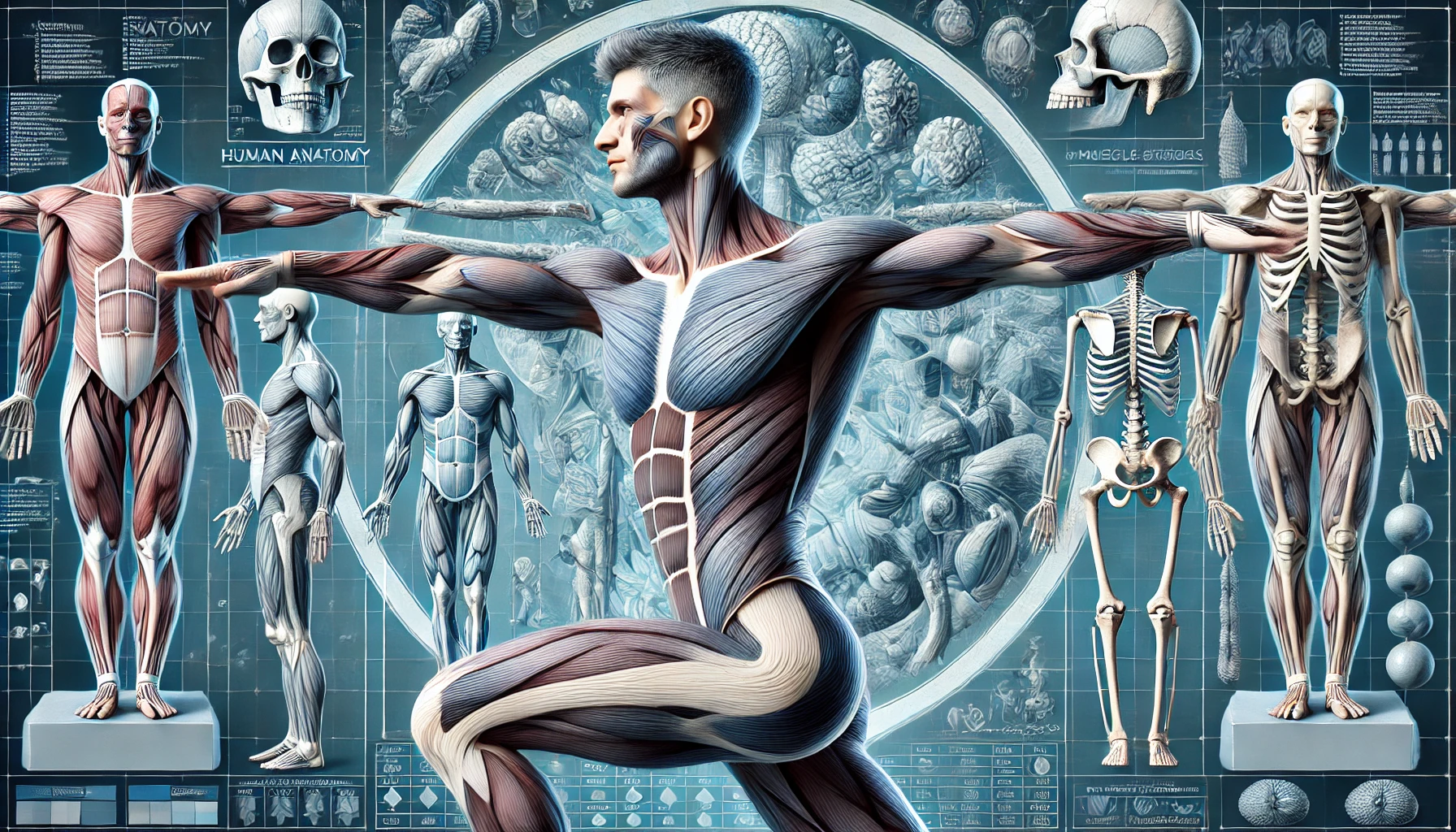
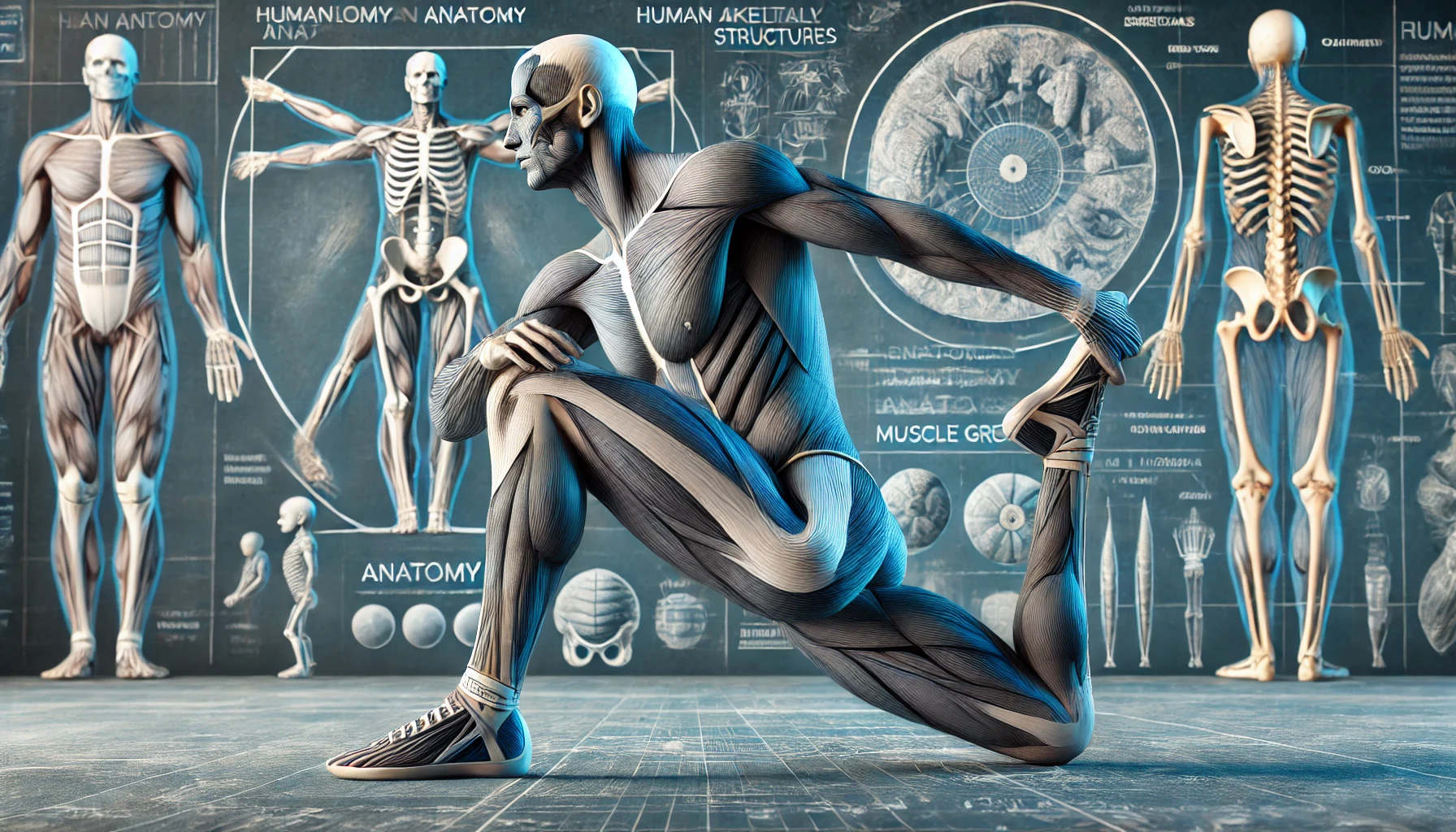
In this guide, I’ll delve into the anatomy of the major muscle groups and present the best full body stretches tailored for each region, all achievable with minimal equipment.
The Ultimate FULL BODY Stretch Guide
1. Anatomy of the Major Muscle Groups: A Closer Look
2. Optimal Full Body Stretches: Identifying the Most Effective Routines for Flexibility
3. Exercise Videos and Related Guides
Before we dive into the best full body stretches, let’s first examine the different major muscle groups individually, so you can foster a stronger mind-to-muscle connection during your stretches. Each section is designed to be interactive, allowing you to click and jump directly to the topic of interest, facilitating an engaging and efficient learning experience tailored to your flexibility journey.
1. Anatomy of the Major Muscle Groups: A Closer Look
The major muscle groups targeted in a full body stretch include the legs, chest, back, and core.
Each stretch below lengthens one of these groups. Ease into each position until you feel a gentle pull, not pain, and breathe slowly while you hold it. Next, we’ll explore specific stretches that utilize your available equipment to optimally target these areas.
Legs: your hamstrings run down the back of your thighs, from your sit bones to just below your knees. The Triangle Forward Bend stretches them. Start by positioning yourself on a flat ground, standing with one foot slightly behind the other, ensuring that your heels are aligned in a straight line or close to it. The toes of your front foot should be facing directly forward, while the toes of your back foot should be pointing out to the side. Beginning with your arms by your sides, elevate them slightly outward for balance. Hinge at your hips and lean forward, keeping your back straight, allowing it to round only slightly as you come down. As you descend, aim to reach your fingertips down towards the ground, framing your front foot. The intention is to feel a deep stretch along the hamstrings of the front leg while also engaging the side muscles.
Triangle Forward Bend (Legs)
Chest: your pectoralis major fans out across your chest from your collarbone and breastbone to your upper arm. Back Slaps loosen it up: swing your arms out to the sides and back as far as is comfortable, then cross them in front of your chest, alternating which arm is on top. It’s a dynamic stretch for your chest and shoulders that needs no equipment.
Back Slaps (Chest)
Back: your latissimus dorsi, the widest muscle of your back, runs from your mid and lower spine and pelvis up to your upper arm. The Standing Arm Pull Lean stretches your lats, triceps and the side of your body. Begin in a standing position with feet hip-width apart and a neutral spine. Lift one arm up, already bent at the elbow, so your hand reaches towards the opposite shoulder blade. Using your opposite hand, grasp the wrist of the bent arm. Gently pull the wrist towards the center of your head. This movement induces a stretch along the tricep and side of the arm you’re stretching. As you engage in this pull, lean your torso gently towards the side opposite the raised arm to intensify the stretch along the side of your body. Ensure you maintain an open chest and relaxed shoulders, and that your head stays in a neutral position. After a comfortable duration, release and repeat the stretch on the other side.
Standing Arm Pull Lean (Back)
Core: your rectus abdominis runs down the front of your torso, from your ribs and the bottom of your breastbone to your pubic bone. The Cobra Stretch stretches the front of your torso as you lift your chest. Do it by lying face down on the floor with your legs extended straight behind you and the tops of your feet pressed flat against the ground. Position your hands slightly below shoulder height, with your elbows close to your ribcage. As you inhale, using the strength of your back muscles, lift your chest and head off the floor. Your hands should provide only slight support; avoid pressing down too hard. Your elbows should remain slightly bent, and ensure your shoulders are drawn away from your ears, promoting an open chest. The height you lift to is based on your flexibility and what feels comfortable to you. Some individuals might only lift a few inches, while others can achieve a more pronounced arch. Remember, it’s crucial to remain comfortable and avoid over-straining.
Cobra Stretch (Core)
2. Optimal Full Body Stretches: Identifying the Most Effective Routines for Flexibility
The best full body stretch plan should target all major muscle groups: legs, chest, back, and core.
This can be achieved by selecting stretches that cater to the distinct functions of each muscle group. To truly enhance your full body flexibility, it’s essential to incorporate stretches that not only challenge these regions but also incorporate the principles of muscle stretching during each movement.
How long and how often to stretch, according to the research:
| Question | What the research says | Source |
|---|---|---|
| How often | At least 2 days a week for each major muscle group | Garber 2011 |
| Time per stretch | About 60 seconds in total, for example two 30-second holds | Garber 2011 |
| How long to hold | Over 6 weeks of stretching 5 days a week, 30-second holds improved hamstring flexibility as much as 60-second holds | Bandy 1997 |
| Right before exercise | Static holds of 60 seconds or more per muscle group lowered performance by 4.6% on average; holds under 60 seconds, by 1.1% | Behm 2016 |
Bending Windmill Stretch – Leg Flexibility
How to Perform Bending Windmill Stretch
- Prepare Your Position: Stand with your feet wider than hip-width apart, toes pointing forward or slightly outwards.
- Execute the Movement: Extend your arms out to your sides at shoulder height. Bend at the waist and reach your right hand towards your left foot, rotating your torso and pointing your left fingertips towards the sky.
- Controlled Return: Slowly return to the starting position and repeat on the opposite side.
- Repeat: Perform the stretch alternately for a set duration.
Twisted Cross – Upper Body Flexibility
How to Perform Twisted Cross
- Prepare Your Position: Lie face down with arms extended out to the sides at shoulder height. Place one hand close to your torso with fingers pointing outward.
- Execute the Movement: Roll onto the side of the extended arm, bending the opposite leg to touch the ground.
- Controlled Return: Avoid forcing the stretch and maintain a comfortable range of motion.
- Repeat: Hold the stretch for a set duration before switching sides.
Seated Hamstring Stretch – Back and Hamstring Flexibility
How to Perform Seated Hamstring Stretch
- Prepare Your Position: Sit on a yoga mat with both legs extended straight out in front of you.
- Execute the Movement: Flex your feet so your toes are pointing upwards. Hinge at the hips and lean forward, reaching your hands towards your ankles or feet.
- Controlled Return: Maintain a straight back as you lean forward, avoiding excessive rounding of the spine.
- Repeat: Hold the stretch for a set duration, focusing on relaxing into the stretch.
Cat & Cow Sequence – Spinal Flexibility
How to Perform Cat & Cow Sequence
- Prepare Your Position: Start in a tabletop position on all fours, with knees under hips and wrists, elbows, and shoulders aligned.
- Execute the Movement: Inhale as you arch your spine (Cow Pose), then exhale as you round your spine (Cat Pose).
- Controlled Return: Ensure smooth and controlled transitions.
- Repeat: Perform the sequence for a set duration.
Child’s Pose – Full Body Relaxation
How to Perform Child’s Pose
- Prepare Your Position: Kneel on the ground, sitting back onto your heels with your arms extended forward on the ground.
- Execute the Movement: Lower your torso towards the floor, bringing your forehead close to the ground.
- Controlled Return: Keep your hips sitting back onto your heels and your arms extended forward.
- Repeat: Hold the stretch for a set duration, focusing on deep, relaxing breaths.
Remember, developing a flexible and relaxed body involves more than just targeting individual muscle groups. It’s crucial to stretch each of your major muscle groups regularly, not only the ones that feel tight.
Try out the stretches in this section, and you’ll be on your way to a more balanced and flexible physique.
If you’re looking for a comprehensive stretching regimen to enhance flexibility and relaxation across all muscle groups, explore our LifeBuddy Apps to find the perfect program tailored to your goals and the equipment you have available.
3. Exercise Videos and Related Guides
Every exercise in this guide has its own page in our free exercise library, with a video demonstration, step-by-step form tips, common mistakes to avoid and the muscles it works:
- Triangle Forward Bend
- Back Slaps
- Standing Arm Pull Lean
- Cobra Stretch
- Bending Windmill Stretch
- Twisted Cross
- Seated Hamstring Stretch
- Cat & Cow Sequence
- Child’s Pose
Browse more in our leg and hip stretches and upper body stretches lists.
Related guides: lower body stretches, chest stretches, lat stretches, stretches for tight hamstrings and calf stretches.
Want a ready-made plan? Weight Loss Workout At Home builds no-equipment workouts around your goal, level and training days.
FULL BODY STRETCH FAQ
One that stretches your legs, chest, shoulders, back and core in about 12 to 15 minutes. Using the stretches in this guide: the Cat & Cow Sequence and Back Slaps for your spine, chest and shoulders; the Bending Windmill Stretch, Triangle Forward Bend and Seated Hamstring Stretch for your hamstrings; the Twisted Cross and Standing Arm Pull Lean for your chest, shoulders and lats; then the Cobra Stretch and Child’s Pose for the front of your torso, your back and hips. Give each stretch about 60 seconds in total, per side for one-sided stretches, as the American College of Sports Medicine recommends (Garber 2011). The same routine works for women.
About 30 seconds. In a 6-week study of 93 adults with tight hamstrings, people who stretched 5 days a week gained as much flexibility from 30-second stretches as from 60-second ones, and stretching three times a day added nothing over once a day (Bandy 1997). For a full routine, aim for about 60 seconds per stretch in total, for example two 30-second holds (Garber 2011).
Both can work, but save long static holds for after. In a review of stretching studies, holding static stretches for 60 seconds or more per muscle group just before exercise lowered performance by 4.6% on average, while holds under 60 seconds lowered it by only 1.1%, and dynamic stretches done within minutes of exercise improved it by a small to moderate amount (Behm 2016). Before a workout, use moving stretches such as the Bending Windmill Stretch, Back Slaps or Cat & Cow Sequence; after it, hold the Seated Hamstring Stretch and Child’s Pose.
For a comprehensive full body stretch with minimal equipment, these stretches are top choices:
- Bending Windmill Stretch – Excellent for leg flexibility.
- Twisted Cross – Great for upper body flexibility.
- Seated Hamstring Stretch – Targets the back and hamstrings.
- Child’s Pose – Ideal for full body relaxation.
Stretch each major muscle group regularly, starting with the stretches in this guide, and ease into each position until you feel a gentle pull, not pain. It’s advisable to engage in these targeted stretches on at least 2 days a week, for about 60 seconds per stretch in total, as the American College of Sports Medicine recommends (Garber 2011). Mix static holds with dynamic stretches.
REFERENCES
Page P. Current concepts in muscle stretching for exercise and rehabilitation. Int J Sports Phys Ther. 2012 Feb;7(1):109-19.
Try LifeBuddy's free workout apps
- Dumbbell Home Workout: build muscle at home with dumbbells
- Weight Loss Workout At Home: no-equipment workouts to lose weight
- Pilates Workout at Home: beginner-friendly mat and Wall Pilates