

Chest Stretches
(BEST CHEST STRETCHES FOR INCREASING FLEXIBILITY AT HOME)

Chest Stretches: Enhance Flexibility and Reduce Tension
Tight chest muscles can lead to discomfort, reduced upper body mobility, and poor posture. Incorporating regular chest stretches into your routine can help improve flexibility, reduce muscle tension, and enhance overall upper body performance.
This guide will provide you with a comprehensive overview of effective chest stretches, their benefits, and tips for maximizing their effectiveness.
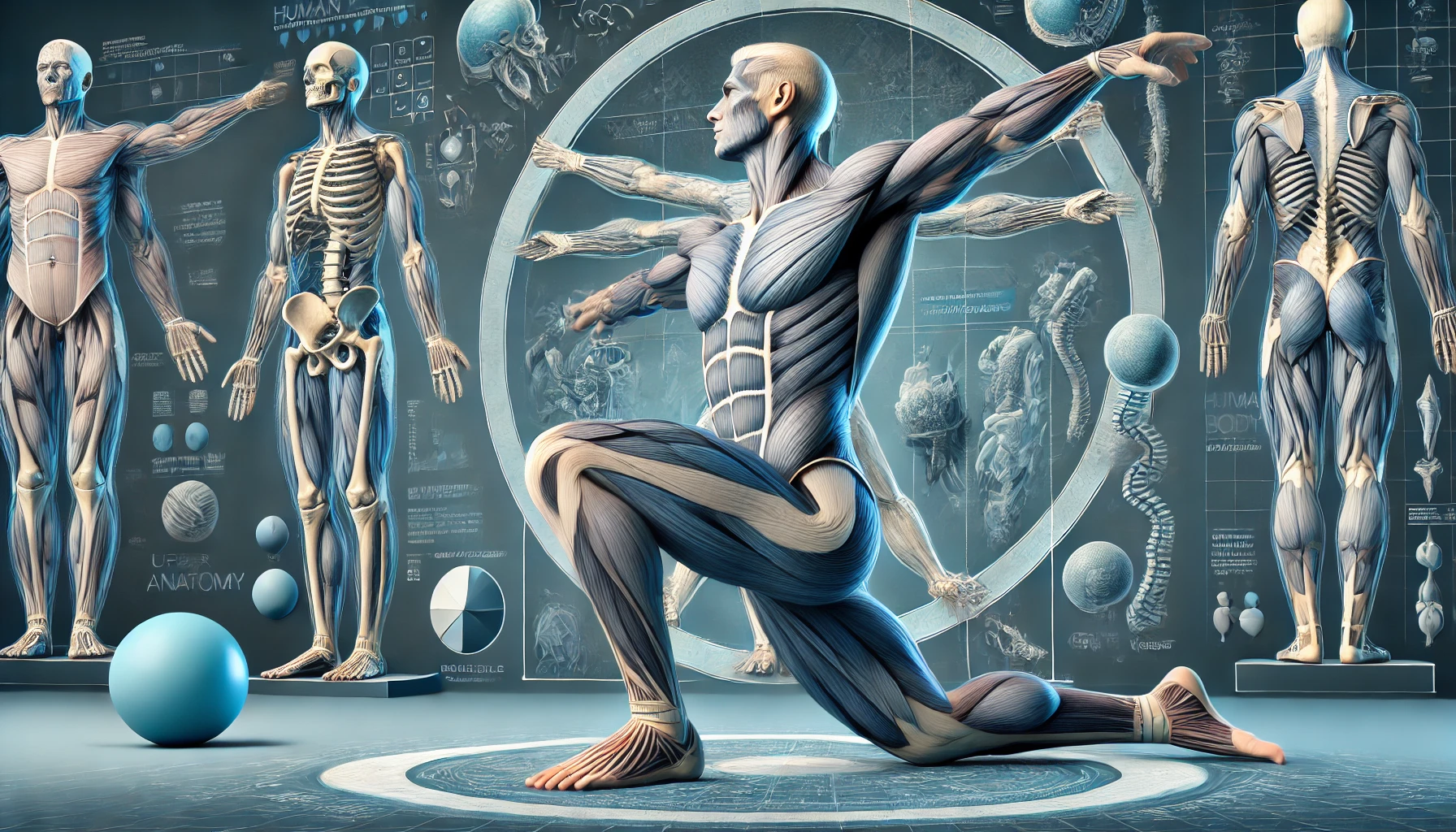
Chest Stretches
1. Exercise Overview
2. Top Stretches for Chest
3. Exercise Videos and Related Guides
Before we dive into the top stretches, let’s first understand what makes a stretch effective for targeting the chest. This will help you make an informed decision when choosing the right stretches for your routine.
1. Exercise Overview
Effective chest stretches focus on movements that lengthen and relax the pectoral muscles, specifically the pectoralis major and minor. These stretches help improve flexibility, reduce muscle tension, and enhance overall upper body performance.
The most effective stretches for targeting the chest often involve shoulder extension and abduction movements to fully extend and lengthen the muscles.
Back Slaps are a fundamental stretch that targets the pectoral muscles, improving flexibility and reducing tension.
Back Slaps
Arms Behind Pull Apart effectively targets the pectoral muscles, improving flexibility and reducing tension.
Arms Behind Pull Apart
Y Arm Openers helps in stretching the pectoral muscles deeply by using a foam roller for support.
Y Arm Openers
Understanding how to perform these stretches and incorporating them into your routine can help you achieve better muscle relaxation and overall chest flexibility. Next, we’ll explore specific stretches and how to perform them effectively.
2. Top Stretches for Chest
The best stretches for targeting the chest should include consistent, targeted movements that engage the muscles effectively, promoting muscle relaxation and flexibility.
This can be achieved by selecting activities that you enjoy and can perform regularly. To truly enhance your chest flexibility and overall upper body mobility, it’s essential to incorporate a variety of stretches and maintain consistency in your routine.
Wall Pectoral Stretch – Improve Flexibility and Reduce Tension
How to Perform Wall Pectoral Stretch
- Prepare Your Position: Stand with your back to the wall, feet hip-width apart. Extend one arm straight out, placing your palm flat against the wall.
- Execute the Movement: Rotate your torso away from the wall, emphasizing the stretch across the front of your shoulder and chest.
- Controlled Return: Avoid pressing too forcefully against the wall.
- Repeat: Hold the stretch for a set duration before switching sides.
Palm Down Shoulder Pulse – Enhance Flexibility and Relaxation
How to Perform Palm Down Shoulder Pulse
- Prepare Your Position: Stand tall with feet hip-width apart, arms at your sides with elbows bent.
- Execute the Movement: Extend your arms straight out in front of you at shoulder height, then retract them back to the starting position.
- Controlled Return: Ensure smooth and controlled movements.
- Repeat: Perform the movement for a set duration.
Kneeling Openers – Deep Stretch for Pectoral Muscles
How to Perform Kneeling Openers
- Prepare Your Position: Start in a kneeling position with your knees directly under your hips. Place your hands on the ground shoulder-width apart.
- Execute the Movement: Rotate your torso and lift one arm upwards towards the sky, following your hand with your gaze.
- Controlled Return: Ensure the supporting shoulder remains engaged and stable.
- Repeat: Perform the movement alternately for a set duration.
Remember, achieving optimal chest flexibility involves maintaining a consistent stretching routine and incorporating a variety of stretches. It’s crucial to find activities you enjoy and can perform regularly to maximize the benefits.
Try out the stretches in this section, and you’ll be on your way to more flexible, relaxed chest muscles.
If you’re looking for a comprehensive fitness regimen to enhance your overall health and fitness, explore our LifeBuddy Apps to find the perfect program tailored to your goals and the equipment you have available.
3. Exercise Videos and Related Guides
Every exercise in this guide has its own page in our free exercise library, with a video demonstration, step-by-step form tips, common mistakes to avoid and the muscles it works:
- Back Slaps
- Arms Behind Pull Apart
- Y Arm Openers
- Wall Pectoral Stretch
- Palm Down Shoulder Pulse
- Kneeling Openers
Related guides: lat stretches, chest workouts and a full body stretch.
Want a ready-made plan? Weight Loss Workout At Home builds no-equipment workouts, including stretching, around your goal, level and training days.
Want more options? Browse all 49 upper body stretches in our exercise library, each with a video demo.
CHEST STRETCHES FAQ
Aim for about 60 seconds of stretching per muscle group in total, for example 2 to 4 holds of 15 to 30 seconds, at least 2 days a week. That matches exercise guidelines from the American College of Sports Medicine (ACSM 2011). Stretch to mild tension, not pain, and keep breathing.
No. Muscle tightness feels like stiffness across the front of your shoulders when you pull your arms back. Chest pain, pressure or tightness with shortness of breath, sweating, or pain spreading to your arm, neck or jaw can be a medical emergency: call emergency services right away.
Warm up with gentle, moving stretches such as back slaps and arm openers before training, and save longer static holds like the wall pectoral stretch for after your workout or a separate session.
For effective chest stretching, these stretches are top choices:
- Back Slaps – Improve flexibility and reduce tension.
- Arms Behind Pull Apart – Enhance flexibility and relaxation.
- Y Arm Openers – Deep stretch for pectoral muscles.
To reap the benefits of chest stretches, aim to perform these stretches 2-3 times per week, depending on your flexibility goals and schedule. Consistency is key to achieving the best results.
Try LifeBuddy's free workout apps
- Dumbbell Home Workout: build muscle at home with dumbbells
- Weight Loss Workout At Home: no-equipment workouts to lose weight
- Pilates Workout at Home: beginner-friendly mat and Wall Pilates