

Calf Stretches
(BEST CALF STRETCHES FOR INCREASING FLEXIBILITY AT HOME)
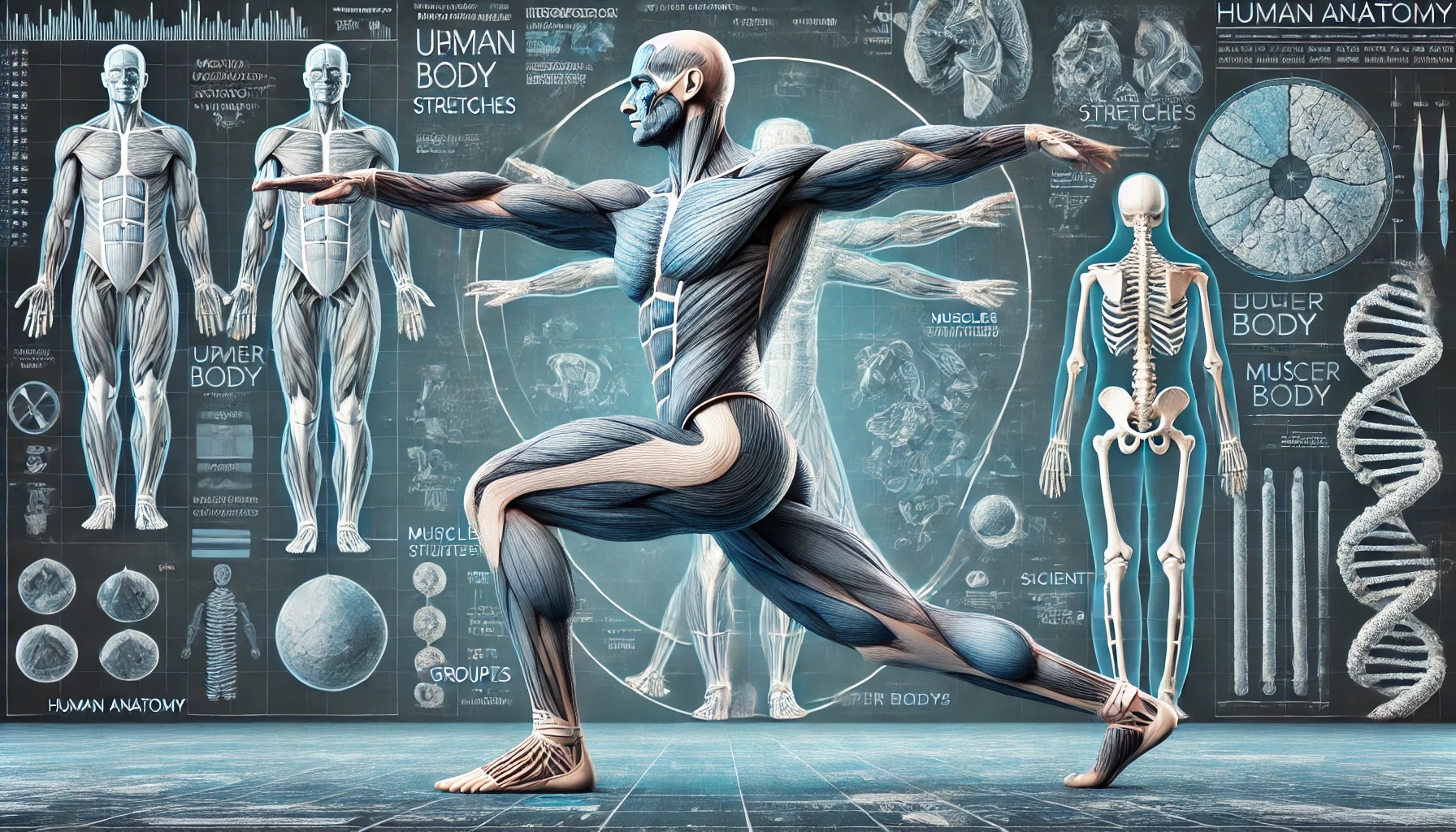
Calf Stretches: Improve Flexibility and Ease Tight Calves
The best calf stretches bend your ankle so your toes come up toward your shin while your heel stays down, which lengthens the muscles at the back of your lower leg. The 4 calf stretches below, from a chair-assisted standing calf stretch to a downward dog, each have a video demo. Give each stretch about 60 seconds in total on each leg, for example two 30-second holds, on at least 2 days a week, as the American College of Sports Medicine recommends (Garber 2011).
This guide will provide you with a comprehensive overview of effective calf stretches, their benefits, and tips for maximizing their effectiveness.
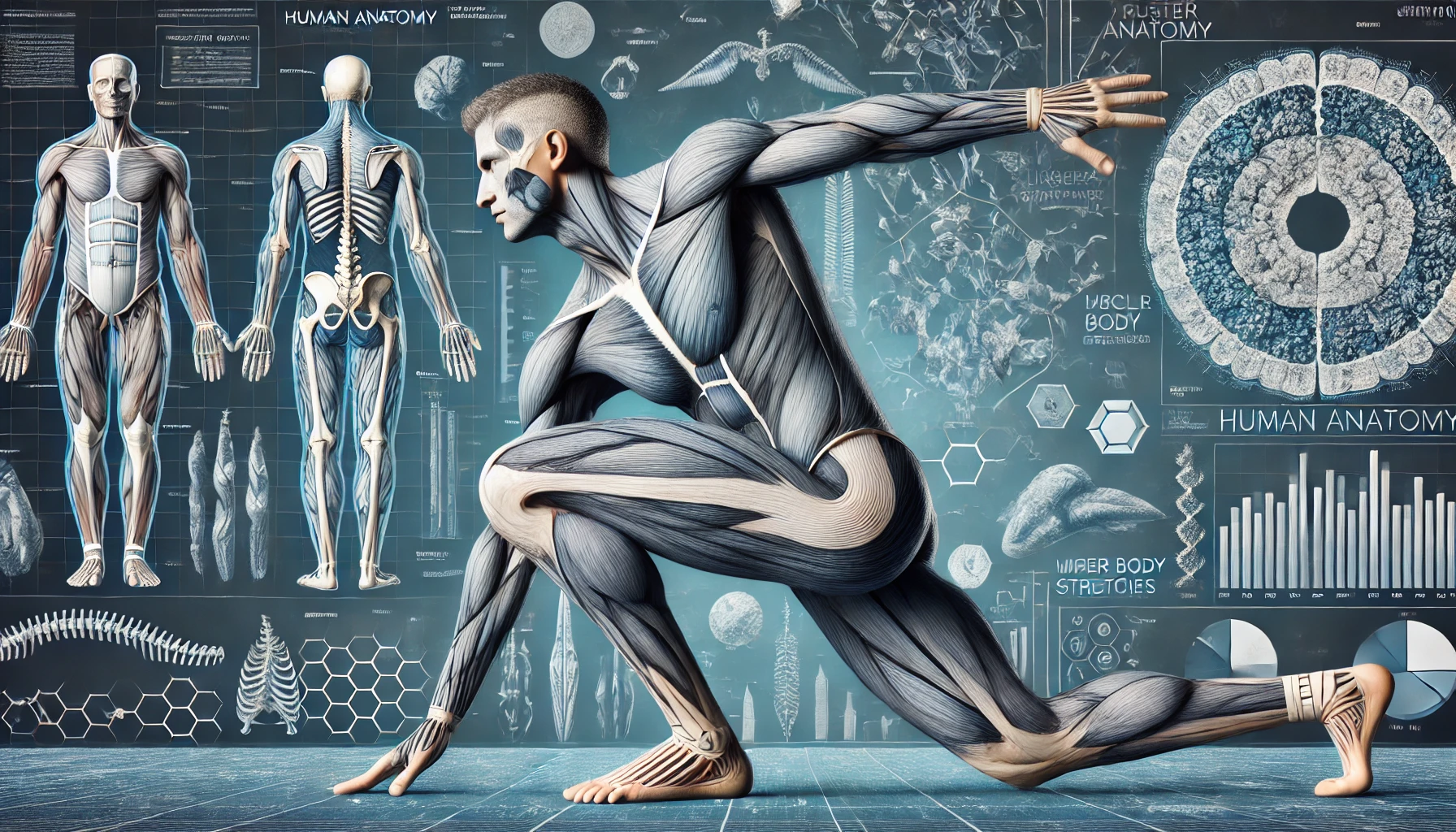
Calf Stretches
1. Exercise Overview
2. Top Stretches for Calves
3. Exercise Videos and Related Guides
Before we dive into the top stretches, let’s first understand what makes a stretch effective for targeting the calves. This will help you make an informed decision when choosing the right stretches for your routine.
1. Exercise Overview
Effective calf stretches focus on movements that lengthen and relax the calf muscles, specifically the gastrocnemius and soleus. These stretches help improve flexibility and ease muscle tension.
The most effective stretches for targeting the calves involve dorsiflexion (pulling your toes up toward your shin), which lengthens the calf muscles; bending the knee shifts more of the stretch to the soleus.
Calf Stretch Assisted stretches the calf of your back leg, mainly the gastrocnemius. Stand facing the back of a sturdy chair, a step or two away, and hold it with both hands. Step one foot back and keep that leg straight with the heel flat on the floor. Bend your front knee and lean toward the chair until you feel the stretch in your back calf, hold, then switch legs.
Calf Stretch Assisted
Calf Stretch needs no equipment. Step one foot forward and keep that leg straight, with only the heel on the floor and your toes pointing up, and bend your back knee slightly. Lean forward from your hips and reach the hand on the same side toward the toes of your front foot until you feel the stretch in that calf, hold, then stand up and switch legs. With the front knee straight, the stretch is mainly in the gastrocnemius, and you may feel it in the back of your thigh too.
Calf Stretch
Dynamic Downward Dog stretches your calves one leg at a time. Start in a downward dog, with your hands and feet on the floor and your hips pushed up and back so your body makes an upside-down V. Bend one knee and press the other heel toward the floor, then switch legs in a slow pedaling motion. It stretches your hamstrings too.
Dynamic Downward Dog
Which Calf Stretch Should You Use?
Each stretch in this guide works the back of your lower leg in a slightly different way. Your gastrocnemius, the calf muscle you can see under the skin, crosses the back of your knee, so it stretches most when that knee is straight:
| Stretch | Position | Where you should feel it | Type |
|---|---|---|---|
| Calf Stretch Assisted | Standing, hands on a chair, back leg straight with the heel down | Calf of the back leg, mainly the gastrocnemius | Hold |
| Calf Stretch | Standing, front leg straight with the heel down, reaching toward your toes | Calf of the front leg, mainly the gastrocnemius, and the back of the thigh | Hold |
| Dynamic Downward Dog | Hands and feet on the floor, hips high, bending one knee at a time | Calf of the straight leg, plus the hamstrings | Moving |
| Toe Pointer | Seated, one foot lifted, toes pulled up and then pointed down | Calf as your toes come up, front of the ankle as they point down | Moving |
Before exercise, use the moving stretches and keep any holds short. In a review of stretching studies, static holds of 60 seconds or more per muscle group just before exercise lowered performance by 4.6% on average, holds under 60 seconds lowered it by 1.1%, and dynamic stretches done within minutes of exercise improved it by a small to moderate amount (Behm 2016). Save longer holds for after your workout.
Understanding how to perform these stretches and incorporating them into your routine can help you achieve better muscle relaxation and overall calf flexibility. Next, we’ll explore specific stretches and how to perform them effectively.
2. Top Stretches for Calves
The best stretches for targeting the calves should include consistent, targeted movements that engage the muscles effectively, promoting muscle relaxation and flexibility.
This can be achieved by selecting activities that you enjoy and can perform regularly. To truly enhance your calf flexibility and overall lower body mobility, it’s essential to incorporate a variety of stretches and maintain consistency in your routine.
Toe Pointer – Improve Flexibility and Reduce Tension
How to Perform Toe Pointer
- Prepare Your Position: Sit comfortably in a sturdy, armless chair with your feet flat on the ground.
- Execute the Stretch: Lift one foot off the ground and point your toes upward, then flex the foot, pointing the toes downward. Repeat the pointing and flexing motion.
- Controlled Return: Keep the movement controlled and avoid jerky or rapid motions.
- Repeat: Perform the movement for a set duration on each foot.
Remember, achieving optimal calf flexibility involves maintaining a consistent stretching routine and incorporating a variety of stretches. It’s crucial to find activities you enjoy and can perform regularly to maximize the benefits.
Try out the stretches in this section, and you’ll be on your way to more flexible, relaxed calves.
If you’re looking for a comprehensive fitness regimen to enhance your overall health and fitness, explore our LifeBuddy Apps to find the perfect program tailored to your goals and the equipment you have available.
3. Exercise Videos and Related Guides
Every exercise in this guide has its own page in our free exercise library, with a video demonstration, step-by-step form tips, common mistakes to avoid and the muscles it works:
Browse more in our leg and hip stretches and leg exercises lists.
Related guides: lower body stretches, a full body stretching routine and stretches for tight hamstrings.
Want a ready-made plan? Weight Loss Workout At Home builds no-equipment workouts around your goal, level and training days.
CALF STRETCHES FAQ
About 30 seconds. In a 6-week study of 93 adults with tight hamstrings, people who stretched 5 days a week gained as much flexibility from 30-second stretches as from 60-second ones, and stretching three times a day added nothing over once a day (Bandy 1997). That study tested the hamstrings, not the calves, but a 30-second hold is a simple place to start. Repeat it so each leg gets about 60 seconds in total, as the American College of Sports Medicine recommends (Garber 2011).
Bend your knee. The gastrocnemius, the calf muscle you can see under the skin, crosses the back of your knee, so it stretches most with your knee straight. The soleus lies underneath it and attaches below the knee, so bending your knee slackens the gastrocnemius and shifts more of the stretch to the soleus. In a standing calf stretch such as the Calf Stretch Assisted, bend the knee of the leg you’re stretching slightly while you keep that heel on the floor.
Yes, but the change is small. A review of five trials found that static calf stretching increased how far the ankle bends up (dorsiflexion) by about 2 to 3 degrees on average, and the authors said it was unclear whether a change that size matters in practice (Radford 2006). In a 6-week trial of 101 healthy adults, a standing wall calf stretch held once a day for 30 seconds, 1 minute or 2 minutes did not increase how far they could actively bend their ankles (Youdas 2003). So calf stretches can make your ankles a little more flexible, but don’t expect big changes quickly.
For effective calf stretching, these stretches are top choices:
- Calf Stretch Assisted – Improve flexibility and reduce tension.
- Calf Stretch – Stretch your calf and the back of your thigh with no equipment.
- Dynamic Downward Dog – Moving stretch for your calves and hamstrings.
- Toe Pointer – Seated ankle stretch you can do in a chair.
Stretch your calves on at least 2 days a week, giving each stretch about 60 seconds in total on each leg, as the American College of Sports Medicine recommends (Garber 2011). An easy habit is to stretch your calves after a walk, a run or a workout.
Try LifeBuddy's free workout apps
- Dumbbell Home Workout: build muscle at home with dumbbells
- Weight Loss Workout At Home: no-equipment workouts to lose weight
- Pilates Workout at Home: beginner-friendly mat and Wall Pilates