

Forearm Dumbbell Exercises
(BEST FOREARM DUMBBELL EXERCISES FOR BUILDING MUSCLE AT HOME)
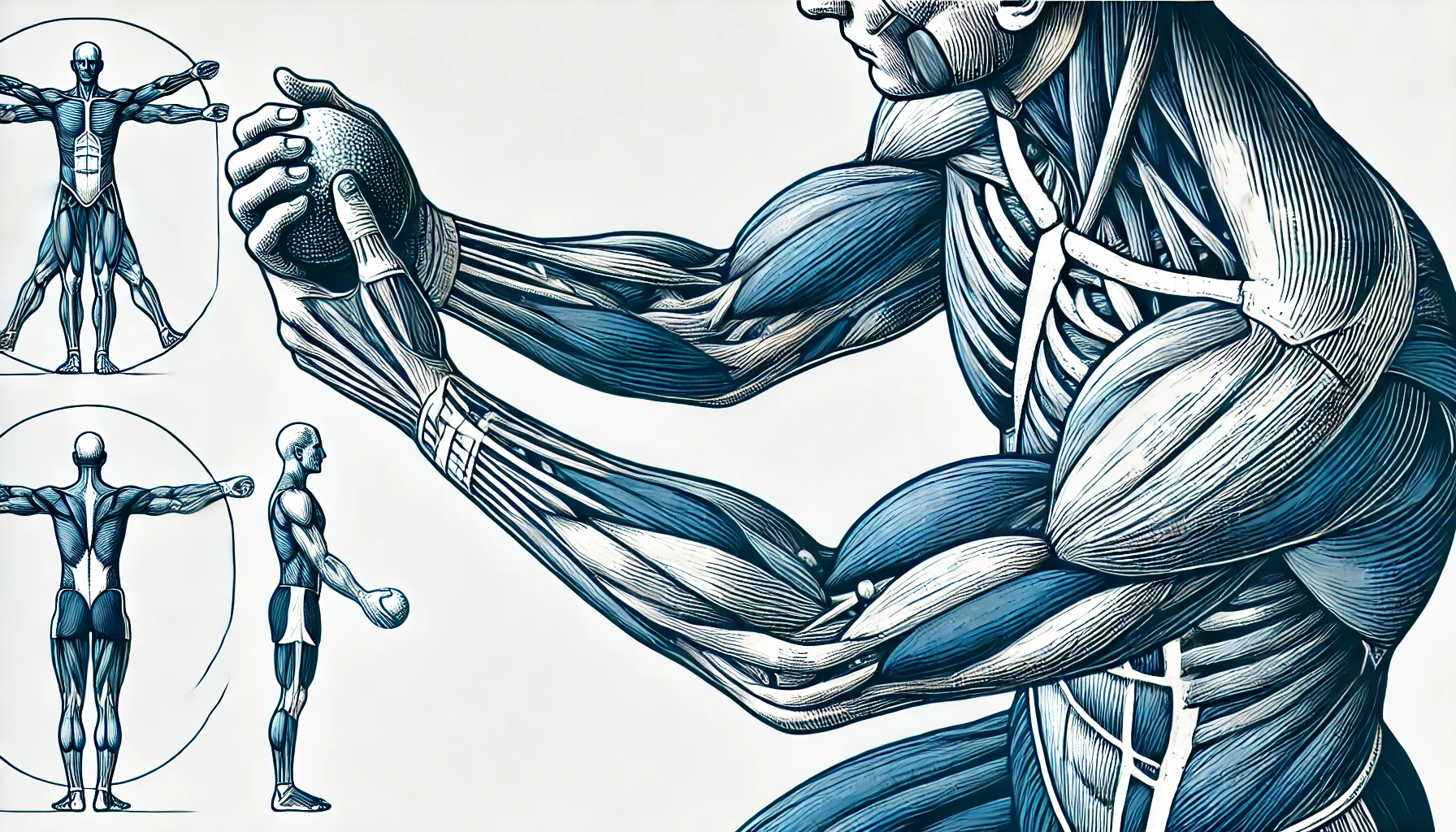
Forearm Dumbbell Exercises: Strengthen and Define Your Forearms
The best forearm workouts with dumbbells mix wrist curls for the palm side of your forearm, reverse wrist curls for the back, turning moves for the muscles that rotate your forearm, and grip work such as side wrist curls and hammer curl holds. All 10 forearm exercises below use dumbbells, so you can do them at home, and each has a video demo.
This guide will provide you with a comprehensive overview of effective forearm dumbbell exercises, their benefits, and tips for maximizing their effectiveness.
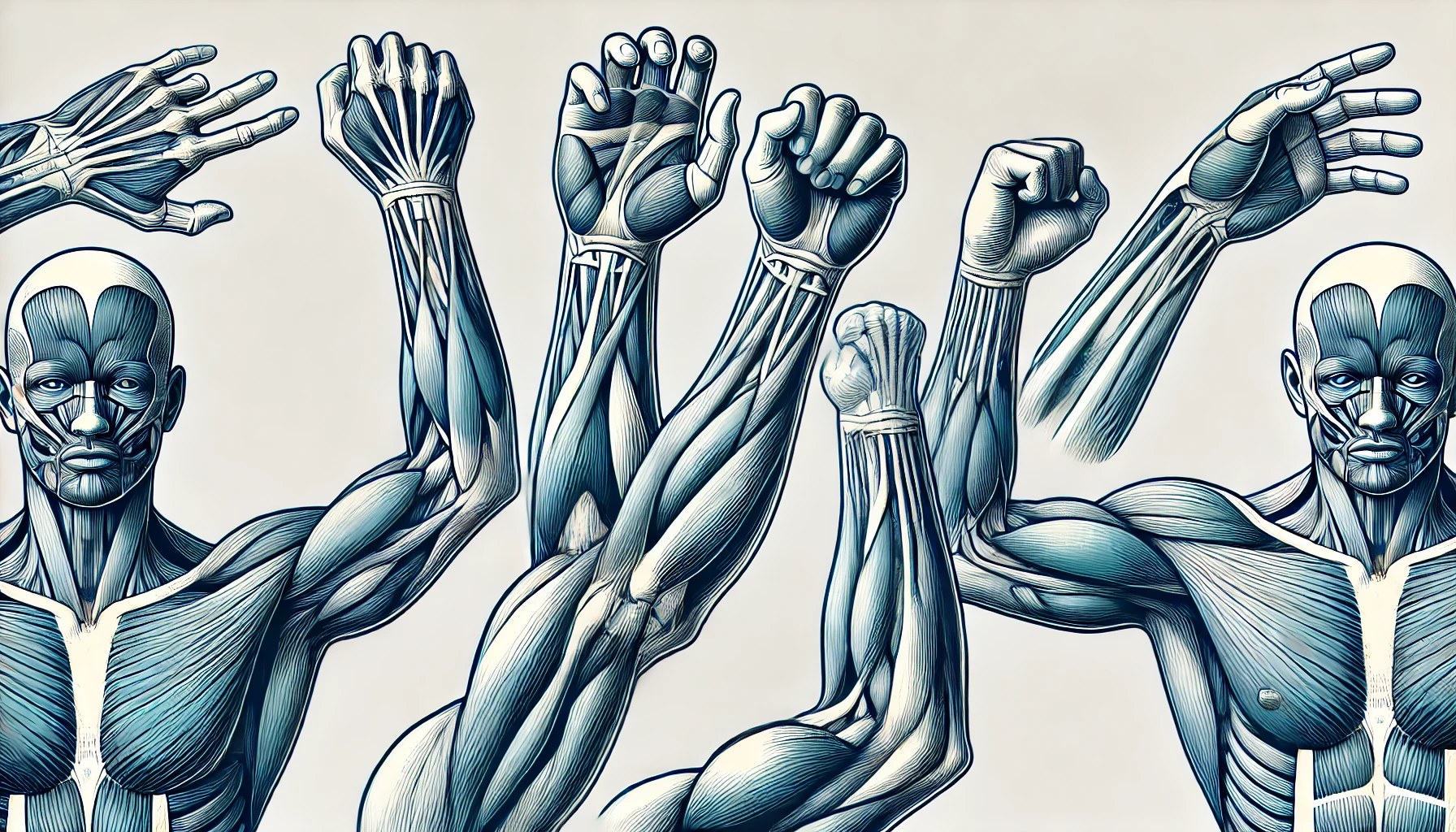
Forearm Dumbbell Exercises
1. Exercise Overview
2. Top Exercises for Forearms
3. Exercise Videos and Related Guides
Before we dive into the top exercises, let’s first understand what makes an exercise effective for targeting the forearms. This will help you make an informed decision when choosing the right exercises for your routine.
1. Exercise Overview
Effective forearm exercises focus on movements that involve gripping, curling, and extending the wrist and fingers. These exercises help build muscle and improve grip strength.
This section covers three simple moves done with your arms hanging down: the Forward Reverse Wrist Curl lifts the backs of your hands, the Side Wrist Curl rolls the dumbbells down to your fingertips and back, and Rear Front Rotations tip the dumbbells forward and back from the wrist.
Forward Reverse Wrist Curl is a reverse wrist curl: with your palms facing your thighs, you lift the backs of your hands, which works the extensor muscles on the back of your forearms.
Forward Reverse Wrist Curl
Side Wrist Curls are done with the dumbbells at your sides and your palms facing in: you let the dumbbells roll down to your fingertips, then curl your fingers to bring them back into your palms, which works the flexor muscles that close your grip.
Side Wrist Curl
Rear Front Rotations are effective for building overall forearm strength and endurance, improving grip strength.
Rear Front Rotations
Understanding how to perform these exercises and incorporating them into your routine can help you achieve better muscle development and overall forearm strength. Next, we’ll explore specific workouts and how to perform them effectively.
2. Top Exercises for Forearms
The best exercises for targeting the forearms should include consistent, targeted movements that engage the muscles effectively, promoting muscle growth and strength.
This can be achieved by selecting activities that you enjoy and can perform regularly. To truly enhance your forearm development and overall upper body strength, it’s essential to incorporate a variety of exercises and maintain consistency in your workout routine.
Seated Rear Ends – Train Forearm Rotation
How to Perform Seated Rear Ends
- Prepare Your Position: Sit on a sturdy, armless chair with your feet flat on the floor, dumbbells held together in front of you, palms facing each other.
- Execute the Movement: Turn your forearms inward so your thumbs rotate down, letting your elbows lift out to the sides, until the dumbbells are upright again and the backs of your hands face each other.
- Controlled Return: Reverse the motion to return to the starting position.
- Repeat: Perform this forearm rotation for the intended number of repetitions.
Rocker Rotations – Work the Thumb Side of Your Forearm
How to Perform Rocker Rotations
- Prepare Your Position: Stand with feet hip-width apart, holding dumbbells at your sides with palms facing inward.
- Execute the Movement: Tip the front end of each dumbbell up as far as comfortable, letting your elbows bend slightly, then lower it back to the original position.
- Repeat: Continue this back and forth motion for the desired number of repetitions.
Turning Curl Hold – Build Overall Forearm Strength
How to Perform Turning Curl Hold
- Prepare Your Position: Stand with feet hip-width apart, holding dumbbells with arms bent at 90 degrees, palms facing the ceiling.
- Execute the Movement: Turn your wrists to face the floor and then back to the ceiling.
- Controlled Return: Maintain arm position without changing the bend in the elbows.
- Repeat: Perform 8-12 repetitions for strength or 12-16 for endurance, focusing on wrist movement and stability.
More forearm workouts with dumbbells
These four add the classic wrist curl (pair it with the Forward Reverse Wrist Curl above, which works the opposite side of your forearm), a curl that trains the forearm on the way down, a rotation drill and a hold for grip endurance.
Front Wrist Curl
How to Perform Front Wrist Curl
- Prepare Your Position: Stand with feet hip-width apart, holding the dumbbells in front of you with your arms straight and palms facing forward.
- Lower: Let the dumbbells roll slightly down toward your fingers.
- Curl: Using only your wrists, curl the dumbbells back up toward you, then lower them slowly.
- Repeat: Perform 12-20 controlled repetitions without moving your upper arms or shoulders.
Zottman Curl
How to Perform Zottman Curl
- Prepare Your Position: Stand with feet hip-width apart, holding the dumbbells at your sides with your palms facing each other.
- Curl Up: Curl the dumbbells toward your shoulders with your thumbs on top, keeping your elbows tucked in.
- Turn and Lower: At the top, turn your wrists until your palms face down, then lower the dumbbells slowly.
- Repeat: At the bottom, turn your palms to face each other again. Perform 8-12 or 12-16 repetitions.
180 Degree Rotations
How to Perform 180 Degree Rotations
- Prepare Your Position: Stand upright with the dumbbells at your sides, palms facing backward.
- Execute the Movement: With your arms hanging, turn your forearms as far as comfortable in one direction, then the other.
- Controlled Return: Move slowly, without swinging, and return to the starting position.
- Repeat: Perform 8-12 or 12-16 repetitions.
Hammer Curl Holds
How to Perform Hammer Curl Holds
- Prepare Your Position: Stand with feet hip-width apart, holding the dumbbells at your sides with your palms facing each other.
- Curl and Hold: Curl the dumbbells halfway, until your forearms are parallel to the floor, and hold for a few seconds.
- Controlled Return: Lower the dumbbells slowly, keeping your elbows pinned to your sides.
- Repeat: Repeat for the desired number of holds.
Remember, achieving optimal forearm development involves maintaining a consistent workout routine and incorporating a variety of exercises. It’s crucial to find activities you enjoy and can perform regularly to maximize the benefits.
Try out the exercises in this section, and you’ll be on your way to stronger, more defined forearms.
If you’re looking for a comprehensive fitness regimen to enhance your overall health and fitness, explore our LifeBuddy Apps to find the perfect program tailored to your goals and the equipment you have available.
3. Exercise Videos and Related Guides
Every exercise in this guide has its own page in our free exercise library, with a video demonstration, step-by-step form tips, common mistakes to avoid and the muscles it works:
- Forward Reverse Wrist Curl
- Side Wrist Curl
- Rear Front Rotations
- Seated Rear Ends
- Rocker Rotations
- Turning Curl Hold
- Front Wrist Curl
- Zottman Curl
- 180 Degree Rotations
- Hammer Curl Holds
Related guides: brachioradialis exercises, bicep workouts with dumbbells and how to get bigger arms.
Want a ready-made plan? Dumbbell Home Workout builds dumbbell workouts for every muscle group around your goal, level and schedule.
FOREARM DUMBBELL EXERCISES FAQ
Yes. A pair of dumbbells covers the main jobs your forearm muscles do: wrist curls bend the wrist, reverse wrist curls lift it, turning moves such as 180 degree rotations rotate the forearm, and holds and hammer-grip curls train your grip. Add weight or reps over time, as with any muscle.
It trains your upper arm and forearm in one move. You curl the weight up, then turn your palms down and lower it slowly. Lowering with your palms down shifts more of the work to the brachioradialis on the thumb side of your forearm and the muscles on the back of your forearm.
Your forearm has two main groups: the flexors on the palm side, which bend your wrist and close your grip, and the extensors on the back, which lift your wrist. Wrist curls and side wrist curls work the flexors, reverse wrist curls work the extensors, and turning moves such as the Turning Curl Hold and 180 Degree Rotations train the muscles that rotate your forearm.
It’s a useful health marker. In a study of nearly 140,000 adults in 17 countries, every 5 kg of lower grip strength was linked to a 16% higher risk of death over about four years (Leong 2015, in the references below). The study didn’t test whether training your grip lowers that risk, but stronger forearms do make lifting, carrying and everyday tasks easier.
A simple starting point is 2 to 3 sets of 12 to 20 controlled reps, 2 to 3 times a week. Use a weight you can move through the full range without swinging.
For effective forearm development, these exercises are top choices:
- Forward Reverse Wrist Curl – Build extensor muscle strength and size.
- Side Wrist Curl – Train the flexor muscles that close your grip.
- Rear Front Rotations – Build overall forearm strength and improve grip strength.
To reap the benefits of forearm workouts, aim to perform these exercises 2-3 times per week, depending on your fitness goals and schedule. Consistency is key to achieving the best results.
REFERENCES
Try LifeBuddy's free workout apps
- Dumbbell Home Workout: build muscle at home with dumbbells
- Weight Loss Workout At Home: no-equipment workouts to lose weight
- Pilates Workout at Home: beginner-friendly mat and Wall Pilates