
Upper Body Exercises
(BEST UPPER BODY EXERCISES FOR BUILDING MUSCLE AT HOME)
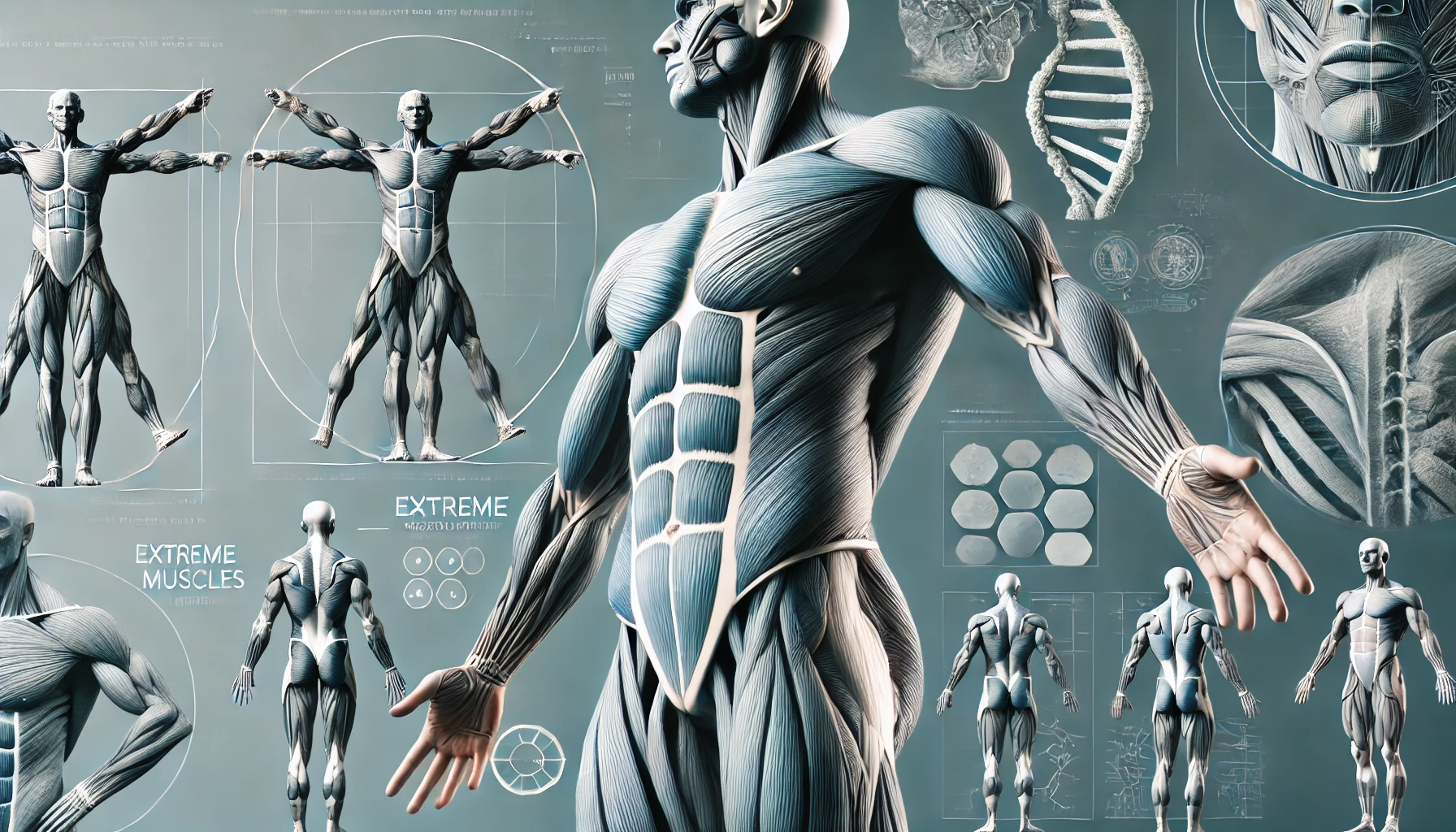
The Ultimate Guide to Upper Body Exercises
The best upper body exercises you can do at home are push-up variations for your chest, shoulders and triceps, Flappers and Prone X for your back, and planks for your core. Below are 9 of them, each with a video demo.
This detailed guide will introduce you to an upper body exercise routine that covers all major muscle groups. You don’t need any equipment: every exercise uses just your body weight.
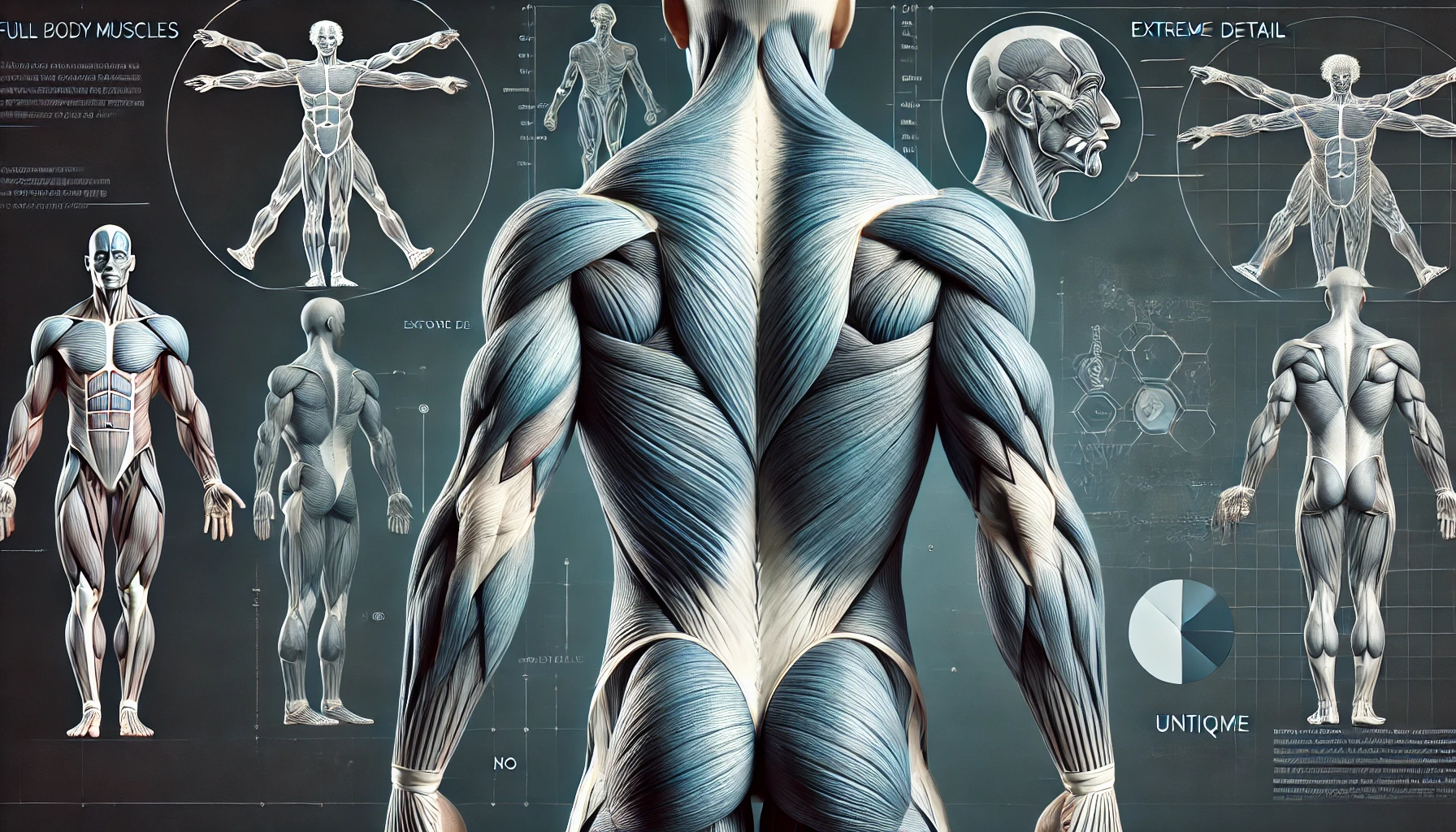
The Ultimate Guide to Upper Body Exercises
1. Anatomy of the Upper Body Muscles: A Closer Look
2. Upper Body Routine: Targeting All Major Muscle Groups
3. Exercise Videos and Related Guides
Let’s start by understanding the structure of this upper body exercise routine. This routine is designed to be performed 2-3 times per week with at least one rest day in between sessions.
1. Anatomy of the Upper Body Muscles: A Closer Look
Each session will include exercises for the chest, back, shoulders, and triceps.
The chest muscles can be effectively targeted with Standard Push Ups, a classic bodyweight exercise.
Standard Push Ups
The back muscles can be effectively targeted with Flappers, emphasizing the latissimus dorsi and rhomboids.
Flappers
The shoulders can be strengthened with Fingers Out Push Ups, enhancing the deltoid muscles.
Fingers Out Push Ups
The triceps can be effectively targeted with Diamond Push Ups, promoting arm strength and definition.
Diamond Push Ups
Planks are a great way to engage the core, promoting stability and strength in the abdominal muscles.
High Plank
Knowing how to properly engage these muscle groups with specific exercises can greatly improve the effectiveness of your workouts and the appearance of your upper body.
2. Upper Body Routine: Targeting All Major Muscle Groups
The optimal workout routine should target every major muscle group in the upper body for comprehensive development.
Choose at least one exercise for each area: your chest, back, shoulders, triceps and core. Lower with control on every rep and use a full range of motion.
Military Push Ups – Chest, Shoulders and Triceps
How to Perform Military Push Ups
- Position Your Hands: Place your hands on the ground at shoulder width, aligning them with your chest.
- Straighten Your Body: Extend your legs back, balancing on your toes and hands, and form a straight line from your head to your heels.
- Lower Your Body: Bend your elbows to lower your chest towards the floor while keeping your body straight.
- Push Up: Press your hands into the floor to raise your body back to the starting position.
Prone X – Upper and Lower Back Strength
How to Perform Prone X
- Prepare Your Position: Lie on your stomach with your arms stretched overhead and your legs straight.
- Execute the Movement: Lift your arms, chest and legs off the floor, with your arms and legs spread wide into an “X” shape.
- Controlled Motion: Keeping everything lifted, sweep your arms out to your sides and back toward your hips, then reach them overhead again. Move smoothly, then lower yourself back to the floor.
- Repeat: Perform 8-16 reps, focusing on engaging your back muscles.
More upper body exercises
Two more push-up variations: Wide Push Ups set your hands wider than your shoulders, and Shoulder Tap Push Ups add a balance challenge for your core between reps.
Wide Push Ups
How to Perform Wide Push Ups
- Prepare Your Position: Start in a high plank with your hands on the floor wider than your shoulders and your body in a straight line from head to heels.
- Lower Your Body: Bend your elbows to lower your chest toward the floor.
- Push Up: Press through your hands to straighten your arms and return to the starting position.
- Repeat: Aim for 8-12 reps.
Shoulder Tap Push Ups
How to Perform Shoulder Tap Push Ups
- Prepare Your Position: Start in a high plank with your hands under your shoulders and your feet about hip-width apart.
- Push Up: Bend your elbows to lower your chest toward the floor, then press back up.
- Tap Your Shoulder: At the top, lift one hand and tap the opposite shoulder, then put it back on the floor. On the next push-up, tap with the other hand.
- Repeat: Keep alternating sides for 8-12 reps, holding your hips as still as you can while you tap.
A strong upper body requires more than just working the main muscle groups. It’s essential to keep making your workouts harder, with more reps or a harder variation, and to work your muscles through their full range of motion.
Incorporate the exercises from this guide into your routine, and you’ll be on your way to building a stronger and more defined upper body.
For a comprehensive strength training regimen to enhance muscle definition and strength across all upper body muscle groups, explore our LifeBuddy Apps to find the perfect program tailored to your goals and available equipment.
3. Exercise Videos and Related Guides
Every exercise in this guide has its own page in our free exercise library, with a video demonstration, step-by-step form tips, common mistakes to avoid and the muscles it works:
- Standard Push Ups
- Flappers
- Fingers Out Push Ups
- Diamond Push Ups
- High Plank
- Military Push Ups
- Prone X
- Wide Push Ups
- Shoulder Tap Push Ups
Browse more in our chest exercises, back exercises, shoulder exercises and tricep exercises lists.
Related guides: push-up workouts, chest workouts, back workouts, push exercises and planks for beginners.
Want a ready-made plan? Weight Loss Workout At Home builds no-equipment workouts around your goal, level and training days.
UPPER BODY EXERCISES FAQ
Pick one exercise for each area from this guide: a push-up variation for your chest, shoulders and triceps, Flappers or Prone X for your back, and a High Plank for your core. For beginners, the American College of Sports Medicine recommends training 2 to 3 days a week with a load you can lift 8 to 12 times (ACSM 2009, in the references below). For push-ups, that means a variation you can do for 8 to 12 good reps; when you can do one or two more than that, switch to a harder one, such as Diamond Push Ups. As you get fitter, add sets: a review found that more weekly sets built more muscle (Schoenfeld 2017, in the references below).
Yes. In an 8-week study, 18 young men trained twice a week with either bench presses at 40% of their one-rep maximum or push-ups adjusted to the same load. Both groups increased the muscle thickness of their chest and triceps and their bench press strength, and the researchers concluded that push-ups were comparably effective (Kikuchi 2017, in the references below). Push-ups mainly work the muscles on the front of your upper body, so pair them with back exercises such as Flappers and Prone X.
These three need no equipment and are good places to start:
- Standard Push Ups – Great for targeting the chest muscles.
- Fingers Out Push Ups – Effective for shoulder strength.
- Flappers – Excellent for engaging the back muscles.
Accelerate upper body strength development by focusing on exercises that target all key areas: chest, back, shoulders, and triceps. Work these muscles through their full range of motion, and make your workouts harder over time with more reps or a harder variation. It’s advisable to train your upper body 2-3 times per week, integrating both strength and hypertrophy workouts from LifeBuddy’s mobile apps.
REFERENCES
Ralston GW, Kilgore L, Wyatt FB, Buchan D, Baker JS. Weekly training frequency effects on strength gain: a meta-analysis. Sports Med Open. 2018;4(1):36.
American College of Sports Medicine. American College of Sports Medicine position stand. Progression models in resistance training for healthy adults. Med Sci Sports Exerc. 2009 Mar;41(3):687-708.
Kikuchi N, Nakazato K. Low-load bench press and push-up induce similar muscle hypertrophy and strength gain. J Exerc Sci Fit. 2017 Jun;15(1):37-42.
Cogley RM, Archambault TA, Fibeger JF, Koverman MM, Youdas JW, Hollman JH. Comparison of muscle activation using various hand positions during the push-up exercise. J Strength Cond Res. 2005 Aug;19(3):628-33.
Try LifeBuddy's free workout apps
- Dumbbell Home Workout: build muscle at home with dumbbells
- Weight Loss Workout At Home: no-equipment workouts to lose weight
- Pilates Workout at Home: beginner-friendly mat and Wall Pilates