

Trap Workouts
(BEST TRAP WORKOUTS FOR BUILDING MUSCLE AT HOME)
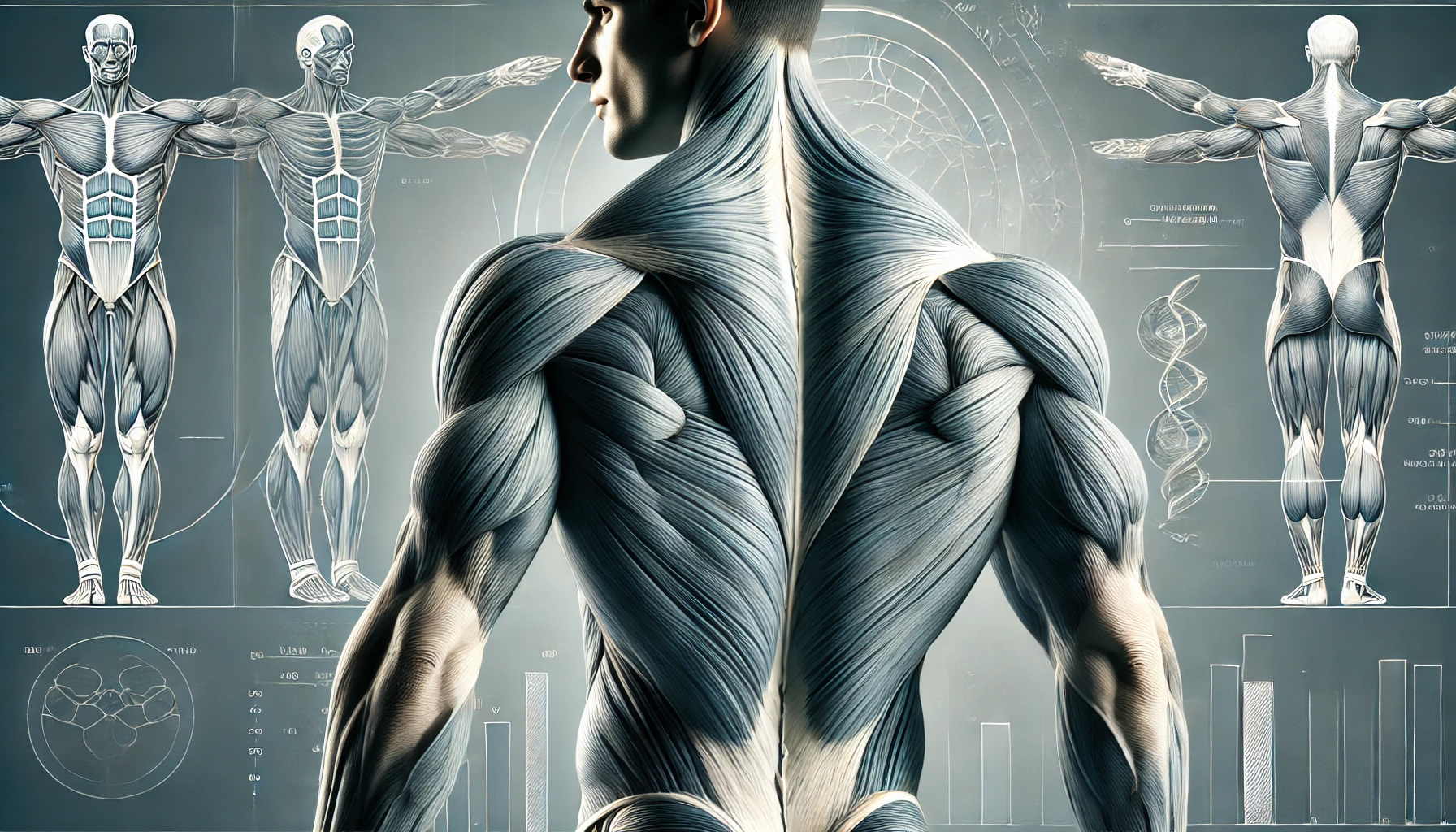
Trap Workouts: Strengthen and Define Your Trapezius Muscles
The best trap workouts combine shrugs for your upper traps, rows and raises that pull your shoulder blades together for your middle traps, and heavy carries such as the farmer walk. All 9 trap exercises below use dumbbells, so you can do them at home, and each has a video demo.
This guide will provide you with a comprehensive overview of the best exercises to target the traps, their benefits, and tips for maximizing their effectiveness.
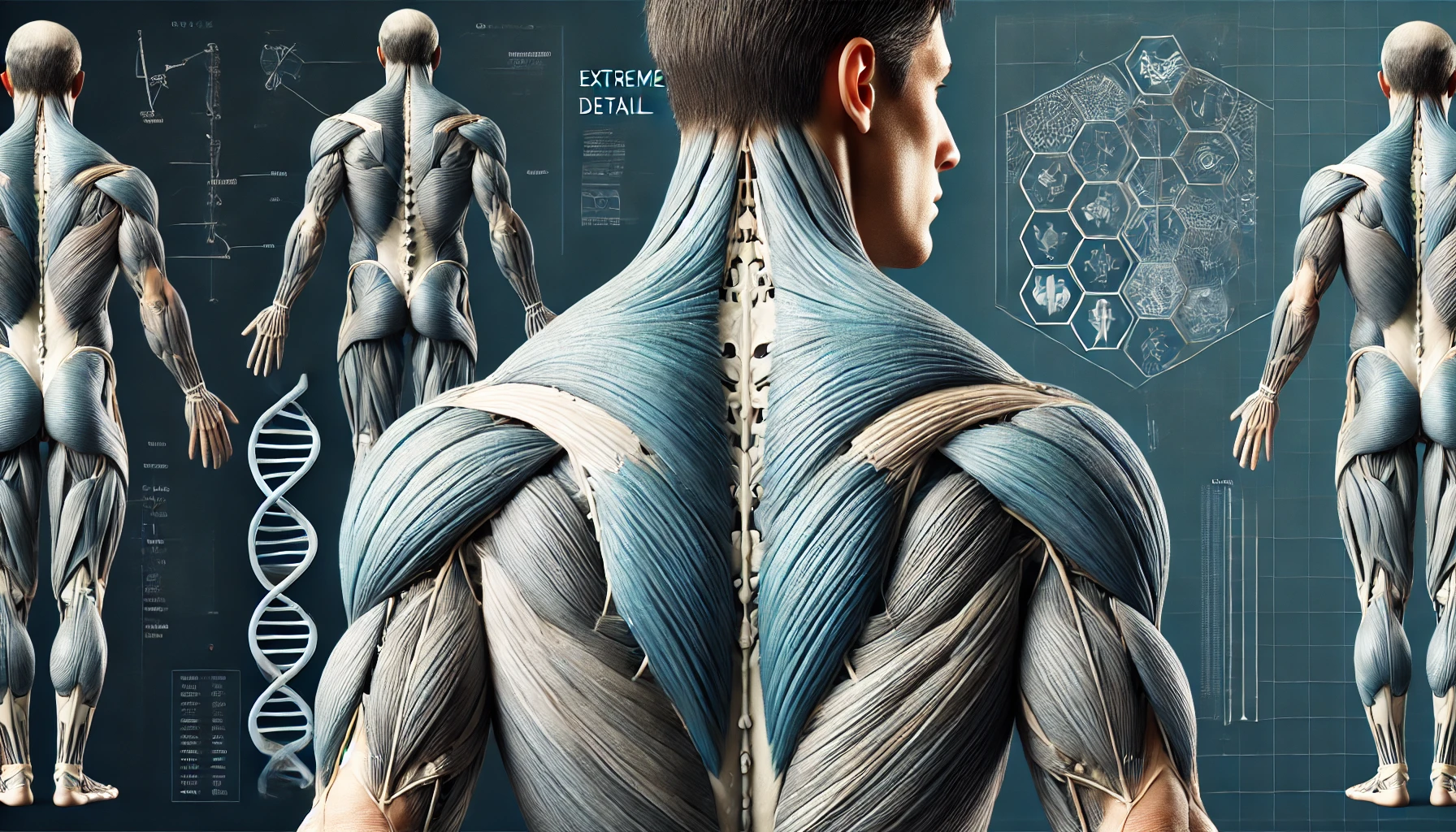
Trap Workouts
1. Exercise Overview
2. Top Trap Exercises
3. Exercise Videos and Related Guides
Before we dive into the top exercises, let’s first understand what makes an exercise effective for trap development. This will help you make an informed decision when choosing the right exercises for your routine.
1. Exercise Overview
Effective trap exercises focus on movements that involve shoulder elevation, retraction, and depression.
Your upper traps lift your shoulders, your middle traps pull your shoulder blades together and your lower traps pull them down. A complete trap workout pairs a shrug or a carry for your upper traps with rows and raises that squeeze your shoulder blades together.
Shrugs are a fundamental exercise that targets the upper traps, building overall upper back strength.
Shrugs
Farmer Walks train your traps, grip and core as you carry heavy dumbbells at your sides.
Farmer Walk
Close Grip Rows work your middle traps and rhomboids as you squeeze your shoulder blades together, along with your lats.
Close Grip Rows
W Raises work your middle traps, rhomboids and rear shoulders as you lean forward, raise the dumbbells out to the sides and squeeze your shoulder blades together.
W Raise
Which exercises work the traps hardest? One study measured trapezius activity with surface EMG during five strength exercises in 12 women with neck muscle pain (Andersen 2008). The top three:
| Exercise | Trapezius activity (% of a maximal contraction) | Load used |
|---|---|---|
| Shrugs | 102% | 20 to 30 kg |
| Lateral raise | 97% | 3 to 10 kg |
| Upright row | 85% | 3 to 10 kg |
Shrugs took the heaviest weights, but lateral raises and upright rows worked the traps almost as hard with much lighter ones, which helps if you train at home with a light pair of dumbbells. High muscle activity alone doesn’t guarantee more growth, so use a mix of exercises.
Lateral Raise
Upright Row
Understanding how to perform these exercises and incorporating them into your routine can help you achieve better muscle development and overall trap strength. Next, we’ll explore specific workouts and how to perform them effectively.
2. Top Trap Exercises
The best trap exercises should include consistent, targeted movements that engage the trapezius muscles effectively, promoting muscle growth and strength.
This can be achieved by selecting activities that you enjoy and can perform regularly. To truly enhance your trap routine and overall upper body strength, it’s essential to incorporate a variety of exercises and maintain consistency in your workout routine.
Trap Raise – Build Upper Trap Strength
How to Perform Trap Raise
- Prepare Your Position: Stand with feet hip-width apart, dumbbells at your thighs.
- Execute the Raise: Lift the dumbbells outward to form an “X” shape above your head.
- Controlled Lowering: Carefully bring the weights back to the start.
- Repeat: Do 8-12 controlled reps per set, with a weight that makes the last few reps hard. That’s the range the American College of Sports Medicine recommends when you’re new to strength training (ACSM 2009).
Closed Leaning Front Trap Raise – Trap and Upper Back Overload
How to Perform Closed Leaning Front Trap Raise
- Prepare Your Position: Stand with feet shoulder-width apart, leaning forward slightly.
- Execute the Raise: Lift a single dumbbell in front of you to head height.
- Controlled Lowering: Slowly return the dumbbell to the starting position.
- Repeat: Do 8-12 controlled reps per set, with a weight that makes the last few reps hard.
Leaning Front Raise Into Rear Fly – Strengthen Traps and Rear Deltoids
How to Perform Leaning Front Raise Into Rear Fly
- Prepare Your Position: Stand in a staggered stance, dumbbells in hand.
- Execute Front Raise: Lift one dumbbell in front of you to shoulder height, then lower it.
- Transition to Rear Fly: After front raises, perform a rear fly with both arms out to the sides.
- Repeat: Do 8-12 controlled reps per set, with a weight that makes the last few reps hard.
Remember, achieving optimal trap development involves maintaining a consistent workout routine and incorporating a variety of exercises. It’s crucial to find activities you enjoy and can perform regularly to maximize the benefits.
Try out the exercises in this section, and you’ll be on your way to stronger, more defined traps.
If you’re looking for a comprehensive fitness regimen to enhance your overall health and fitness, explore our LifeBuddy Apps to find the perfect program tailored to your goals and the equipment you have available.
3. Exercise Videos and Related Guides
Every exercise in this guide has its own page in our free exercise library, with a video demonstration, step-by-step form tips, common mistakes to avoid and the muscles it works:
- Shrugs
- Farmers Walk
- Close Grip Row
- W Raise
- Lateral Raise
- Up Right Row
- Trap Raise
- Closed Leaning Front Trap Raise
- Leaning Front Raise Into Rear Fly
Browse more in our back exercises, shoulder exercises and total body exercises lists.
Related guides: dumbbell shoulder exercises, dumbbell back exercises, a pull day workout and rear delt raises.
Want a ready-made plan? Dumbbell Home Workout builds dumbbell workouts for every muscle group around your goal, level and schedule.
TRAP WORKOUTS FAQ
The trapezius is a large, flat muscle that covers the back of your neck and upper back. Its upper part shrugs your shoulders up toward your ears, the middle part pulls your shoulder blades together, and the lower part pulls them down. The upper and lower parts also rotate your shoulder blades upward as you raise your arms overhead, so a complete trap workout mixes shrugs with rows, raises and carries.
Yes, especially your upper traps. In a study of 30 healthy people, the one-arm shoulder shrug produced the most upper-trap activity of the 10 exercises tested (Ekstrom 2003). In a second study, of 12 women with neck muscle pain, shrugs also gave the highest trapezius activity of five strength exercises (Andersen 2008). Because shrugs mostly work the upper traps, pair them with rows and raises that squeeze your shoulder blades together.
Yes. Every exercise in this guide uses dumbbells. If yours are light, add lateral raises and upright rows to your shrugs: in the study of 12 women with neck muscle pain, lateral raises and upright rows worked the traps almost as hard as shrugs (97% and 85% of a maximal contraction, against 102%) with loads of 3 to 10 kg instead of 20 to 30 kg (Andersen 2008). As the weights get easier, add sets: a review of training studies found that more weekly sets built more muscle (Schoenfeld 2017).
For effective trap development, these exercises are top choices:
- Shrugs – Build upper trap strength and target the upper traps.
- Farmer Walk – Enhance overall trap strength and endurance.
- Close Grip Rows – Strengthen the traps and rear deltoids.
Aim for two or three times a week. A review of training studies found that training a muscle twice a week built more muscle than once a week; whether three times beats twice is still unclear (Schoenfeld 2016). Your traps also work during rows and carries, so count those sessions too.
REFERENCES
Schoenfeld BJ, Ogborn D, Krieger JW. J Sports Sci. 2017 Jun;35(11):1073-1082. Dose-response relationship between weekly resistance training volume and increases in muscle mass: A systematic review and meta-analysis.
Andersen LL, Kjaer M, Andersen CH, Hansen PB, Zebis MK, Hansen K, Sjøgaard G. Muscle activation during selected strength exercises in women with chronic neck muscle pain. Phys Ther. 2008 Jun;88(6):703-11.
Ekstrom RA, Donatelli RA, Soderberg GL. Surface electromyographic analysis of exercises for the trapezius and serratus anterior muscles. J Orthop Sports Phys Ther. 2003 May;33(5):247-58.
Schoenfeld BJ, Ogborn D, Krieger JW. Effects of Resistance Training Frequency on Measures of Muscle Hypertrophy: A Systematic Review and Meta-Analysis. Sports Med. 2016 Nov;46(11):1689-1697.
American College of Sports Medicine. American College of Sports Medicine position stand. Progression models in resistance training for healthy adults. Med Sci Sports Exerc. 2009 Mar;41(3):687-708.
Try LifeBuddy's free workout apps
- Dumbbell Home Workout: build muscle at home with dumbbells
- Weight Loss Workout At Home: no-equipment workouts to lose weight
- Pilates Workout at Home: beginner-friendly mat and Wall Pilates