

Rear Delt Raise
(BEST REAR DELT RAISE WORKOUTS FOR BUILDING MUSCLE AT HOME)
The Ultimate Rear Delt Raise Guide
Focusing on the rear delts is crucial for achieving well-rounded and defined shoulders.
This guide will delve into the anatomy of the rear delts and present the best dumbbell exercises tailored for targeting this specific area, all achievable with minimal equipment.

The Ultimate Rear Delt Raise Guide
1. Anatomy of the Rear Delts: Understanding the Muscle Structure
2. Optimal Rear Delt Raise Exercises: Best Dumbbell Workouts for Targeting the Rear Delts
3. Exercise Videos and Related Guides
Before we dive into the best dumbbell exercises, let’s first examine the anatomy of the rear delts to better understand how to target this area effectively.
1. Anatomy of the Rear Delts: Understanding the Muscle Structure
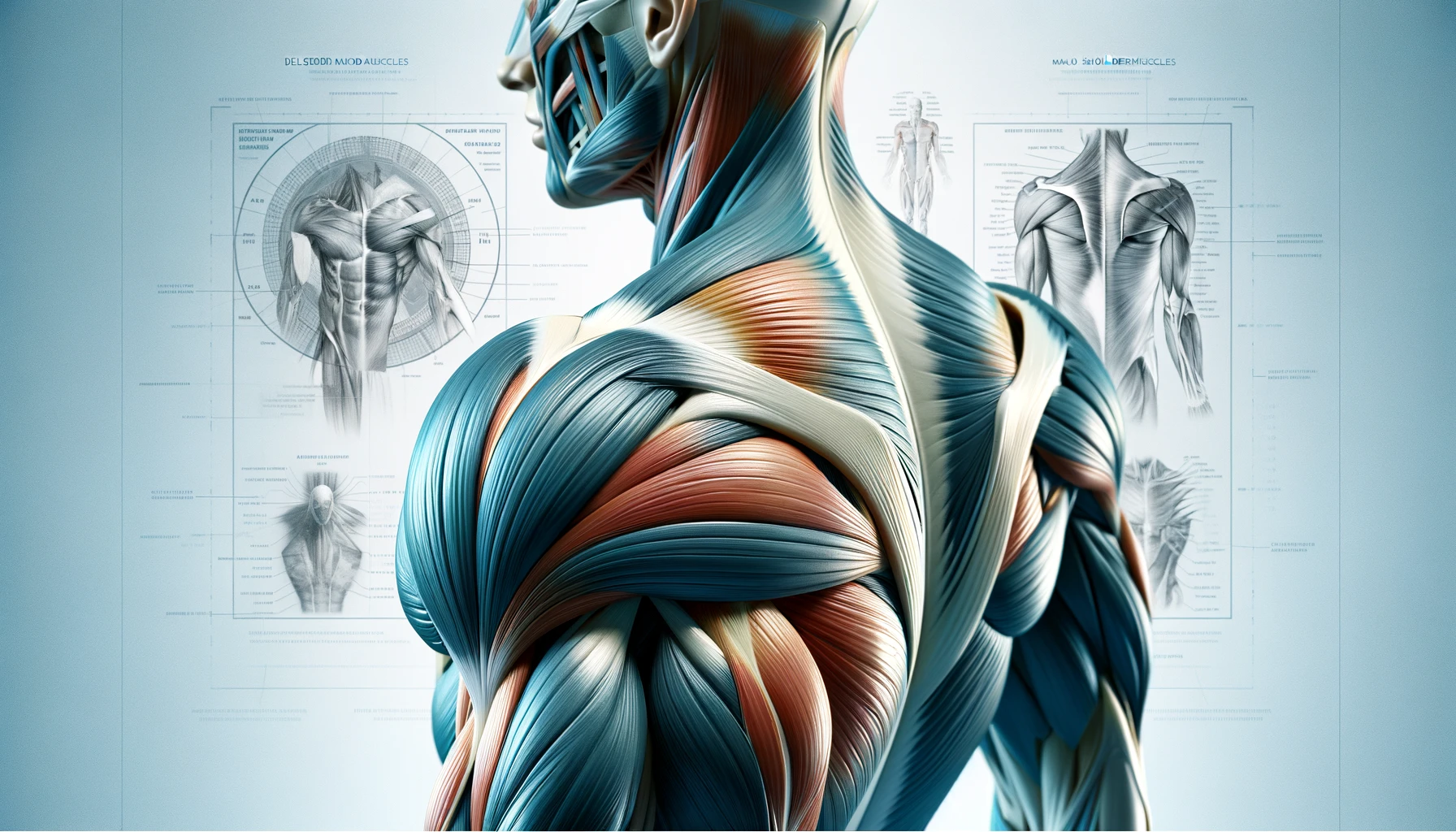
The rear deltoids, also known as posterior deltoids, are located on the back of the shoulder and are crucial for shoulder extension and stability.
Engaging these fibers requires exercises that lift the arms backward and outward. The Rear Delt Raise, performed by bending over and lifting a dumbbell in each hand, effectively targets the rear delts.
Rear Delt Raises
Understanding how to engage the rear delts with strategic exercise alignment enhances both the effectiveness of your workouts and the visual impact of your gains. Next, we’ll explore specific exercises that utilize your available equipment to optimally target these areas.
2. Optimal Rear Delt Raise Exercises: Best Dumbbell Workouts for Targeting the Rear Delts
The best workout plan for the rear delts should focus on exercises that lift the arms backward and outward to effectively engage this muscle.
This can be achieved by moving your arms out and back from in front of your body, either leaning forward or with your elbows up at shoulder height, so the rear delts do most of the lifting. Incorporating these exercises into your routine will help build stronger and more defined rear delts.
Hammer Rear Delt Raises
How to Perform Hammer Rear Delt Raises
- Prepare Your Position: Stand with feet shoulder-width apart, holding dumbbells with a hammer grip (palms facing each other).
- Execute the Movement: With a straight back, raise the dumbbells sideways up to shoulder height, focusing on squeezing the rear delts.
- Controlled Return: Carefully lower the weights back to the starting position.
- Repeat: Perform the necessary number of repetitions.
Seated Regular Rear Delt Raises
How to Perform Seated Regular Rear Delt Raises
- Prepare Your Position: Sit on the edge of an armless chair, holding dumbbells beneath your legs with palms facing each other. Hinge forward from your waist.
- Execute the Movement: With a slight bend in your arms, raise the dumbbells laterally until they are parallel with your shoulders.
- Controlled Return: Lower the dumbbells back under control.
- Repeat: Complete the set number of repetitions.
Seated Hammer Rear Delt Raises
How to Perform Seated Hammer Rear Delt Raises
- Prepare Your Position: Sit on the edge of an armless chair, holding dumbbells with palms facing behind you, dumbbells close or touching each other.
- Execute the Movement: Hinge forward slightly and with a slight arm bend, raise dumbbells laterally targeting rear deltoids.
- Controlled Return: Lower the dumbbells slowly back to the start.
- Repeat: Do as many repetitions as required.
Half Way Rear Delt Raises
How to Perform Half Way Rear Delt Raises
- Prepare Your Position: Begin standing, arms in front of you, bent at about 90 degrees, holding dumbbells.
- Execute the Movement: Raise the dumbbells outward to full height, then lower them back to the half-way start position.
- Controlled Return: Maintain a controlled motion without returning to the full rest position.
- Repeat: Continue for the set number of repetitions.
Bent Over Rear Delt Raises
How to Perform Bent Over Rear Delt Raises
- Prepare Your Position: Stand with feet hip-width apart, bending at the waist, holding dumbbells in front of you with arms slightly bent.
- Execute the Movement: Raise dumbbells laterally until they are in line with your body, emphasizing the rear deltoids.
- Controlled Return: Lower the dumbbells back to the front slowly.
- Repeat: Continue with the desired number of repetitions.
Seated Rear Delt Raises
How to Perform Seated Rear Delt Raises
- Prepare Your Position: Sit on an armless chair with your feet flat on the floor. Lean slightly forward, holding dumbbells with palms facing down.
- Execute the Movement: Lift your arms out to the sides, focusing on using your rear deltoids to do the work.
- Controlled Return: Lower the dumbbells back to the starting position slowly and with control.
- Repeat: Perform the desired number of repetitions.
Remember, developing well-defined rear delts involves consistent training with targeted exercises that focus on arm lifting and shoulder extension. Incorporating these exercises into your routine will help you build stronger and more defined rear delts.
Try out the exercises in this section, and you’ll be on your way to stronger and more defined shoulders.
If you’re looking for a comprehensive strength training regimen to enhance muscle definition and strength across all muscle groups, explore our LifeBuddy Apps to find the perfect program tailored to your goals and the equipment you have available.
3. Exercise Videos and Related Guides
Every exercise in this guide has its own page in our free exercise library, with a video demonstration, step-by-step form tips, common mistakes to avoid and the muscles it works:
- Rear Delt Raises
- Hammer Rear Delt Raises
- Seated Regular Rear Delt Raises
- Seated Hammer Rear Delt Raises
- Half Way Rear Delt Raises
- Bent Over Rear Delt Raises
- Seated Rear Delt Raises
Related guides: side delt exercises, front delt exercises, dumbbell shoulder workouts and trap workouts.
Want a ready-made plan? Dumbbell Home Workout builds dumbbell workouts for every muscle group around your goal, level and schedule.
Rear Delt Raise FAQ
Hinge forward at the hips with a flat back and a dumbbell in each hand hanging below your chest. With a slight bend in your elbows, raise your arms out to the sides until they’re level with your shoulders, squeeze your shoulder blades, then lower slowly. Use a light weight so your back and arms don’t swing.
Mainly the rear (posterior) deltoids at the back of your shoulders, plus the upper-back muscles that pull your shoulder blades together, such as the rhomboids and middle traps.
Lighter than you might think. The rear delts are small, so most people use much lighter dumbbells than for presses or rows. Pick a weight you can lift for 10 to 15 controlled reps without swinging your body.
For major rear delt gains with minimal equipment, these exercises are top choices:
- Rear Delt Raises – Excellent for isolating the rear delts.
- Hammer Rear Delt Raises – Targets the rear delts while also engaging the upper back.
- Seated Regular Rear Delt Raises – Builds overall shoulder stability and strength.
Accelerate the development of the rear delts by focusing on exercises that emphasize arm lifting and shoulder extension. Ensure to perform movements that target the rear delts specifically, and it’s advisable to engage in these targeted exercises 1-2 times per week, integrating both strength and hypertrophy workouts from LifeBuddy’s mobile apps.
REFERENCES
J Sports Sci. 2017 Jun;35(11):1073-1082. Dose-response relationship between weekly resistance training volume and increases in muscle mass: A systematic review and meta-analysis.
Try LifeBuddy's free workout apps
- Dumbbell Home Workout: build muscle at home with dumbbells
- Weight Loss Workout At Home: no-equipment workouts to lose weight
- Pilates Workout at Home: beginner-friendly mat and Wall Pilates