

Deltoid Exercises
(BEST DELTOID EXERCISES FOR BUILDING MUSCLE AT HOME)
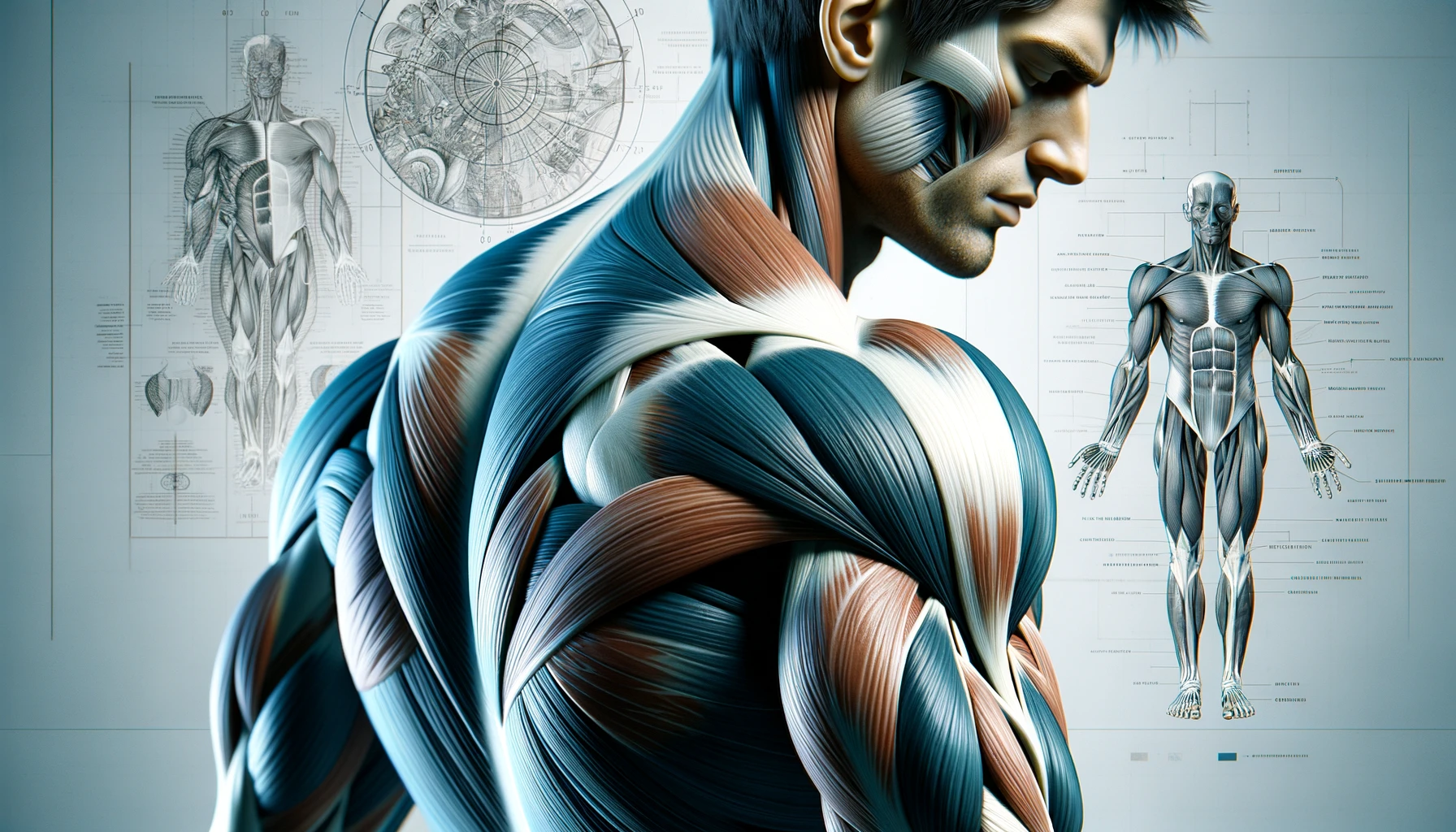
Deltoid Exercises: Build Strong and Defined Shoulders
The best deltoid exercises cover all three parts of your shoulder muscle: overhead presses and front raises for your front delts, lateral raises for your side delts, and rear delt raises for the back of your shoulders. All 8 deltoid exercises below use only dumbbells, so you can do them at home, and each has a video demo.
This guide will provide you with a comprehensive overview of the best exercises to target the deltoids, their benefits, and tips for maximizing their effectiveness.

Deltoid Exercises
1. Exercise Overview
2. Top Deltoid Exercises
3. Exercise Videos and Related Guides
Before we dive into the top exercises, let’s first understand what makes an exercise effective for deltoid development. This will help you make an informed decision when choosing the right exercises for your routine.
1. Exercise Overview
Your deltoid has three parts, and each one moves your arm in a different direction.
Your front delts (anterior deltoid) raise your arm in front of you, your side delts (lateral or middle deltoid) raise it out to the side, and your rear delts (posterior deltoid) pull it backward. This guide covers all three: presses and front raises for the front, lateral raises, pour flys and overhead flys for the sides, and rear delt raises and openers for the back. For more exercises for each part, see our guides to front delt exercises, side delt exercises and rear delt raises.
Overhead Flys work your front and side delts and your traps as you sweep the dumbbells from shoulder height, out at your sides, up until they nearly meet above your head.
Overhead Flys
Lateral Raises are the classic side delt exercise: you raise the dumbbells out to your sides to shoulder height, and your front and rear delts help too (see the table below).
Lateral Raise
Hammer Rear Delt Raises work your rear delts and upper back: holding the dumbbells with your palms facing each other, you lift them in front of you, then open your arms out to the sides with your elbows bent at shoulder height.
Hammer Rear Delt Raises
Which Exercises Work Each Part of the Deltoid?
One study measured how hard each part of the deltoid worked in 13 strength-trained men during one set of 12 reps with 60% of their one-rep max (Campos 2020). Both shoulder exercises it tested are in this guide. The numbers are muscle activity as a percentage of a maximal contraction:
| Exercise | Front delts | Side delts | Rear delts |
|---|---|---|---|
| Shoulder press | 33.3% | 27.9% | 11.4% |
| Lateral raise | 21.2% | 30.3% | 24% |
The shoulder press worked the front delts harder than any other exercise in the study, and the side delts about as hard as the lateral raise. The lateral raise worked the rear delts the most. The study’s two chest exercises barely worked the side and rear delts (5% or less), so chest training doesn’t replace side and rear delt work. High muscle activity alone doesn’t guarantee more growth, so use a mix of exercises.
Understanding how to perform these exercises and incorporating them into your routine can help you achieve better muscle development and overall shoulder strength. Next, we’ll explore specific workouts and how to perform them effectively.
2. Top Deltoid Exercises
The best exercises for deltoids should include consistent, targeted movements that engage the shoulder muscles effectively, promoting muscle growth and strength.
This can be achieved by selecting activities that you enjoy and can perform regularly. To truly enhance your deltoid routine and overall upper body strength, it’s essential to incorporate a variety of exercises and maintain consistency in your workout routine.
Shoulder Press – Build Overall Shoulder Strength
How to Perform Shoulder Press
- Prepare Your Position: Stand with feet hip-width apart, dumbbells at shoulder height, palms facing in toward each other.
- Execute the Standing Shoulder Press: Press the dumbbells overhead, turning your palms to face forward as your arms straighten.
- Controlled Return: Lower the dumbbells back to shoulder height.
- Repeat: Do 8-12 controlled reps per set, with a weight that makes the last few reps hard. That’s the range the American College of Sports Medicine recommends when you’re new to strength training (ACSM 2009).
Front Raise – Front Deltoids
How to Perform Front Raise
- Prepare Your Position: Stand with feet hip-width apart, holding the dumbbells end to end in front of your thighs, palms facing your body.
- Execute the Movement: Keeping your arms straight and the dumbbells together, raise them in front of you and keep going until they are above your head.
- Controlled Return: Lower the dumbbells slowly back to your thighs.
- Repeat: Do 8-12 controlled reps per set, with a weight that makes the last few reps hard.
Pour Flys – Define Lateral Deltoids
How to Perform Pour Flys
- Prepare Your Position: Stand upright, holding dumbbells halfway between your side and front.
- Execute the Movement: Raise arms to the side and slightly turn the dumbbells downward at the top.
- Controlled Return: Lower arms back to the starting position.
- Repeat: Do 8-12 controlled reps per set, with a weight that makes the last few reps hard.
Rear Delt Openers – Strengthen Posterior Deltoids
How to Perform Rear Delt Openers
- Prepare Your Position: Stand with feet hip-width apart, dumbbells at chin level, palms facing each other.
- Execute the Movement: Keeping your elbows bent and level with your shoulders, open your arms out to the sides, turning your wrists so your palms face forward.
- Controlled Return: Bring the dumbbells back together at chin level.
- Repeat: Do 8-12 controlled reps per set, with a weight that makes the last few reps hard.
Bent Over Rear Delt Raises – Rear Deltoids
How to Perform Bent Over Rear Delt Raises
- Prepare Your Position: Stand with feet hip-width apart and bend forward at your hips with a straight back, letting the dumbbells hang below your shoulders.
- Execute the Movement: With a slight bend in your elbows, raise the dumbbells out to the sides until your arms are level with your shoulders.
- Controlled Return: Lower the dumbbells slowly back below your shoulders.
- Repeat: Do 8-12 controlled reps per set, with a weight that makes the last few reps hard.
Remember, achieving optimal deltoid development involves maintaining a consistent workout routine and incorporating a variety of exercises. It’s crucial to find activities you enjoy and can perform regularly to maximize the benefits.
Try out the exercises in this section, and you’ll be on your way to stronger, more defined shoulders.
If you’re looking for a comprehensive fitness regimen to enhance your overall health and fitness, explore our LifeBuddy Apps to find the perfect program tailored to your goals and the equipment you have available.
3. Exercise Videos and Related Guides
Every exercise in this guide has its own page in our free exercise library, with a video demonstration, step-by-step form tips, common mistakes to avoid and the muscles it works:
- Overhead Flys
- Lateral Raise
- Hammer Rear Delt Raises
- Shoulder Press
- Front Raise
- Pour Flys
- Rear Delt Openers
- Bent Over Rear Delt Raises
Browse more in our shoulder exercises and back exercises lists.
Related guides: front delt exercises, side delt exercises, rear delt raises, a dumbbell shoulder workout and trap workouts.
Want a ready-made plan? Dumbbell Home Workout builds dumbbell workouts for every muscle group around your goal, level and schedule.
DELTOID EXERCISES FAQ
Your deltoid is the rounded muscle that caps your shoulder, and it has three parts, also called heads. The front delts (anterior deltoid) raise your arm in front of you, the side delts (lateral or middle deltoid) raise it out to the side, and the rear delts (posterior deltoid) pull it backward. A complete deltoid workout includes a press or front raise, a lateral raise and a rear delt exercise.
Both the shoulder press and the lateral raise work all three heads, but not equally. In a study of 13 strength-trained men, the shoulder press worked the front delts the hardest of the four exercises tested, while the lateral raise worked the side delts about as hard as the press and the rear delts more than any other (Campos 2020). Pairing a shoulder press with lateral raises covers all three parts well, and a rear delt raise adds direct work for the back of your shoulders.
If your shoulder workouts are mostly presses, yes. In the same study, the shoulder press reached only 11.4% of a maximal rear delt contraction, less than half the 24% of the lateral raise (Campos 2020). Back exercises work the rear delts too: a review of 33 studies found that the standard pull-up and the inverted row on a suspension trainer produced the highest rear delt activity of all the individual exercises it ranked (Rabello 2024). For direct rear delt work with dumbbells, add a move such as Bent Over Rear Delt Raises, Hammer Rear Delt Raises or Rear Delt Openers; our rear delt raise guide has more variations.
For effective deltoid development, these exercises are top choices:
- Overhead Flys – Build overall shoulder strength and target the front and side deltoids and the traps.
- Lateral Raise – Define the lateral deltoids and build shoulder width.
- Hammer Rear Delt Raises – Strengthen the posterior deltoids and upper back muscles.
Aim for two or three times a week. A review of training studies found that training a muscle twice a week built more muscle than once a week; whether three times beats twice is still unclear (Schoenfeld 2016). Your front delts also work during push-ups and chest presses, so count those sessions too.
REFERENCES
Schoenfeld BJ, Ogborn D, Krieger JW. J Sports Sci. 2017 Jun;35(11):1073-1082. Dose-response relationship between weekly resistance training volume and increases in muscle mass: A systematic review and meta-analysis.
Rabello R, Bertozzi F, Hauschild de Freitas IL, Molinari T, Roncada C, Sforza C, Rodrigues R, Tiggemann CL. Activation of the three deltoid muscle portions during common strengthening exercises: A systematic review. J Bodyw Mov Ther. 2024 Oct;40:1309-1325.
Saeterbakken AH, Fimland MS. Effects of body position and loading modality on muscle activity and strength in shoulder presses. J Strength Cond Res. 2013 Jul;27(7):1824-31.
Schoenfeld BJ, Ogborn D, Krieger JW. Effects of Resistance Training Frequency on Measures of Muscle Hypertrophy: A Systematic Review and Meta-Analysis. Sports Med. 2016 Nov;46(11):1689-1697.
American College of Sports Medicine. American College of Sports Medicine position stand. Progression models in resistance training for healthy adults. Med Sci Sports Exerc. 2009 Mar;41(3):687-708.
Try LifeBuddy's free workout apps
- Dumbbell Home Workout: build muscle at home with dumbbells
- Weight Loss Workout At Home: no-equipment workouts to lose weight
- Pilates Workout at Home: beginner-friendly mat and Wall Pilates